Literatur zu Dolpo
Ethnologin Dr. Marietta Kind
Bücher und Artikel der Ethnologin Dr. Marietta Kind Furger Marietta Kind hat seit 1990 immer wieder in Dolpo gelebt und geforscht. Sie hat sich insbesondere mit der Kultur und Bön Tradition in Dolpo befasst und darüber mehrere Artikel und Bücher verfasst. Während ihrer Forschung ist im Gespräch mit der Lokabevölkerung die Idee zur Tapriza Schule 1997 entstanden und wurde seither von ihr gemeinsam mit Semduk Lama vor Ort verwirklicht.
Anbei finden Sie einige Artikel und Links zu Büchern von Dr. Marietta Kind zu Dolpo, zur Lokalkultur und zur Bön-Religion. Zudem finden sie einzelne Artikel von anderen zur Region.
The Bon Landscape of Dolpo - Pilgrimages, Monasteries, Biographies and the Emergence of Bon
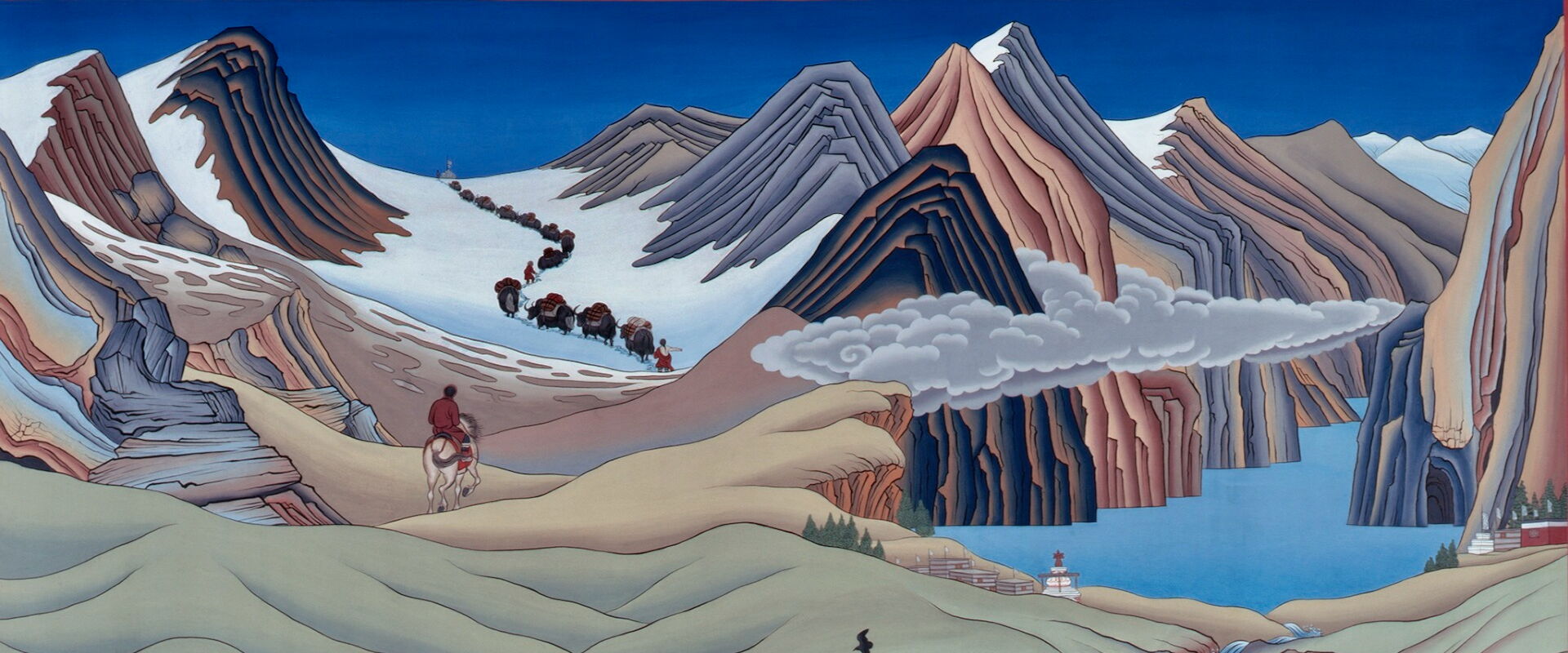
The reader is taken on a journey to Dolpo, one of Nepal’s remotest Tibetan enclaves with a large community that follow the Bon religion. The present ethnography regards the landscape of Dolpo as the temporary result of an ongoing cumulative cultural process that emerges from the interaction of the natural environment and the communities that inhabit it and endow it with meaning. Pilgrimage provides the key to structuring the book, which is based on anthropological research and the study of the textual legacy. Along the extensive and richly illustrated Bon pilgrimages through Dolpo, the various strands of the written and the oral, the local and the general, the past and present are unrolled step by step and woven into a pattern that provides a first insight into the partial shift from a landscape inhabited by territorial deities to a Bon landscape. In addition, it presents an overview of the main protagonists who discovered the sacred sites, opened pilgrimages, founded monasteries and disseminated the crucial Bon teachings. A number of well-known Tibetan figures emerge among these players thanks to translations of biographies that have survived in rare and unpublished manuscripts. This book sheds light on how Bon religion emerged in Dolpo and has remained alive.
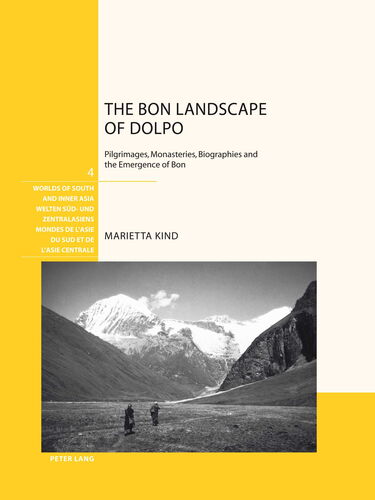
The anthropologist MARIETTA KIND gained her PhD at the Universities of Zurich and Oxford. She has worked as a lecturer and research fellow at the Ethnographic Museum of Zurich University. With her Tapriza NGO she supports a school in Dolpo and the cultural heritage of this region. Her latest research project at Bern University is concerned with second generation Tibetans in Switzerland and their relation to Buddhism.
Das Buch ist erhältlich bei Peter Lang Verlag.
Das Buch ist in der Schweiz erhältlich bei Garuda Verlag und in Nepal ist das Buch erhältlich bei Varja Books.
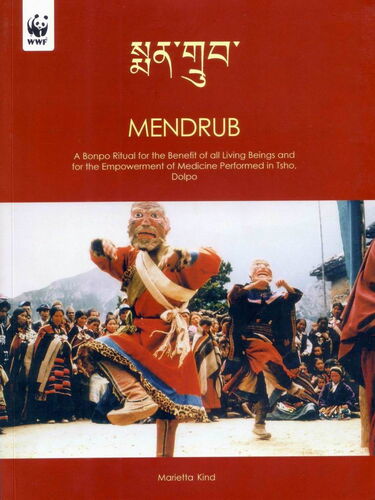
Mendrub - a Bonpo ritual for the benefit of all living beings and for the empowerment of medicine
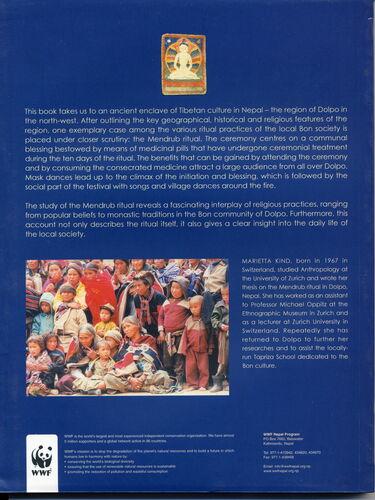
This book takes us to an ancient enclave of Tibetan culture in Nepal – the region of Dolpo in the north-west. After outlining the key geographical, historical and religious features of the region, one exemplary case among the various ritual practices of the local Bon society is placed under closer scrutiny: the Mendrub ritual. The ceremony centres on a communal blessing bestowed by means of medicinal pills that have undergone ceremonial treatment during the ten days of the ritual. The benefits that can be gained by attending the ceremony and by consuming the consecrated medicine attract a large audience from all over Dolpo. Mask dances lead up to the climax of the initiation and blessing, which is followed by the social part of the festival with songs and village dances around the fire.
The study of the Mendrub ritual reveals a fascinating interplay of religious practices, ranging from popular beliefs to monastic traditions in the Bon community of Dolpo. Furthermore, this account not only describes the ritual itself, it also gives a clear insight into the daily life of the local society.
MARIETTA KIND, born in 1967 in Switzerland, studied Anthropology at the University of Zurich and wrote her thesis on the Mendrub ritual in Dolpo, Nepal. She has worked as an assistant to Professor Michael Oppitz at the Ethnographic Museum in Zurich and as a lecturer at Zurich University in Switzerland. Repeatedly she has returned to Dolpo to further her research and to assist the locally-run Tapriza School dedicated to the Bon culture.
Weitere Artikel zu Dolpo
Marietta Kind. 2021. Biographical Thanka on the life of Treton Namkha Gyaltsen from Dolpo. Tibetan Mandalas, Arts and Traditions. Genf: Enlightened Vision Association (EVA). Artikel über ein biographisches Thanka, welches das Leben von Treton Namkha Gyaltsen beschreibt.

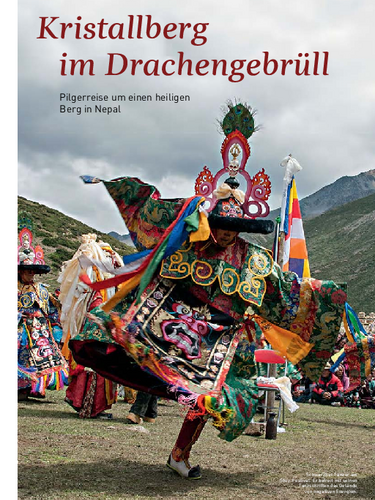
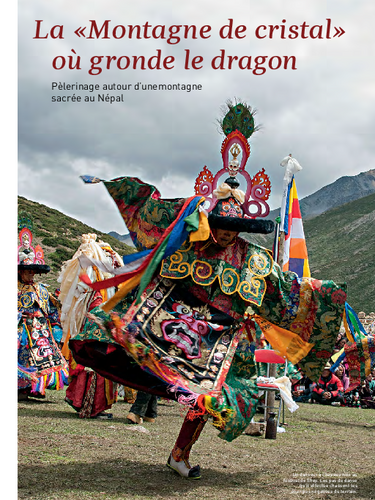
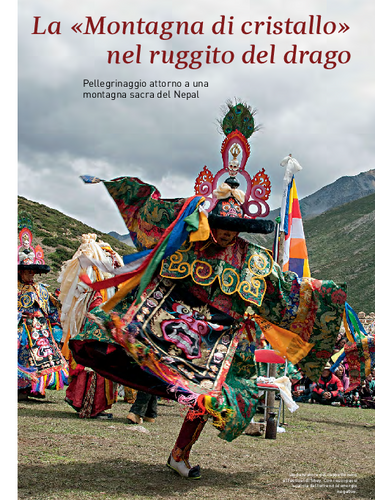
Marietta Kind. 2015. Der Kristallberg im Drachengebrüll - Pilgerreise um einen heiligen Berg in Nepal. Die Alpen. 2015/2: S.35-43.
Für die Menschen in Dolpo ist er der heiligste Berg: der Kristallberg von Shey. Wenn im tibetischen Kalender das Jahr des Drachens ist, umrunden Tausende den heiligen Berg. Sowohl Buddhisten als auch Anhänger der alten Bön-Religion. Beschreibung der Pilgerreise und des Trekkings über Phoksumdo nach Shey.

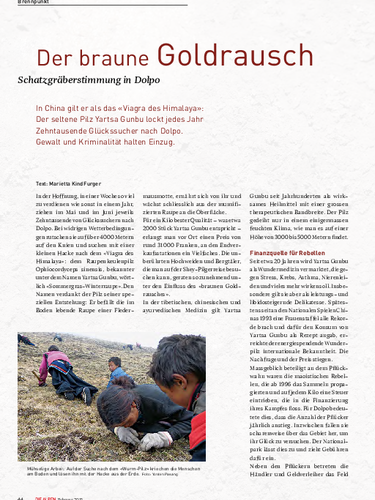
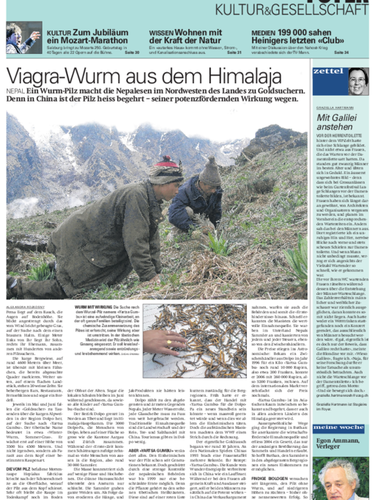
Marietta Kind. 2015. Das braune Goldrausch - Schatzgräberstimmung in Dolpo. Die Alpen. 2015/2: S44-45.
In China gilt er als das «Viagra des Himalaya»: Der seltene Pilz Yartsa Gunbu lockt jedes Jahr Zehntausende Glückssucher nach Dolpo. Gewalt und Kriminalität halten Einzug.

'Jag 'dul: A Bon Mountain Pilgrimage in Dolpo, Nepal. 2007. AMY HELLER & GIACOMELLA OROFINO (EDS.): Discoveries in Western Tibet and the Western
Himalayas: Essays on History, Literature, Archaeology and Art. Tibetan Studies: Proceedings of the Tenth Seminar of the International Association of Tibetan
Studies, Oxford, 2003: 199–214. Leiden: Brill.

The Abduction of the Divine Bride: Territory and Identity among the Bonpo Community in Phoksumdo, Dolpo. 2002. KATIA BUFFETRILLE & HILDEGARD
DIEMBERGER (EDS.): Territory and Identity in Tibet and the Himalayas, 271–
288, 346–347. Leiden: Brill. Im Artikel geht es um die beseelte Landschaft, Heirat und Identität in Phoksumdo, Dolpo.

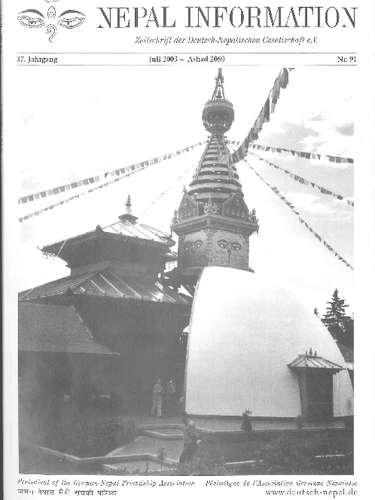
Die Entführung der Berggöttin: Beseelte Landschaft, Heirat und Identität in Phoksumdo, Dolpo. 2003. Nepal Information, Nr. 91: 33–36.

Bonpo Monasteries and Temples of the Himalayan Region. 2003. SAMTEN G. KARMAY & YASUHIKO NAGANO (EDS.): A Survey of Bonpo Monasteries and Temples in Tibet and the Himalaya, 669–752. Osaka: National Museum of Ethnology.