History of the Tapriza Project
The beginnings in Nepal
Foundation and Organisation
Before the founding of the Tapriza School, there was no functioning primary school in the region. The nearest school, a three-day walk away, was located in the district capital of Dunai. Hardly any family could afford to finance the everyday school life there. Most children therefore remained without schooling; a few parents sent their children – usually their sons – to the Bön monasteries of Triten Norbutse in Kathmandu or Menri in India, where they were admitted free of charge and received an education without losing their own culture and religion. However, secular education fell by the wayside. Dissatisfied with this situation, the inhabitants of the Phoksundo region, together with the anthropologist Marietta Kind, advocated for their own school, in which the Tibetan language, local history, and culture could be considered in addition to the state curriculum. On the one hand, the parents wanted to preserve their own tradition and pass it on to the younger generation; on the other hand, they wanted a modern education to give their children better future prospects. This was the starting point for the founding of the Tapriza School with the goal of offering local education that takes both tradition and modernity into account.
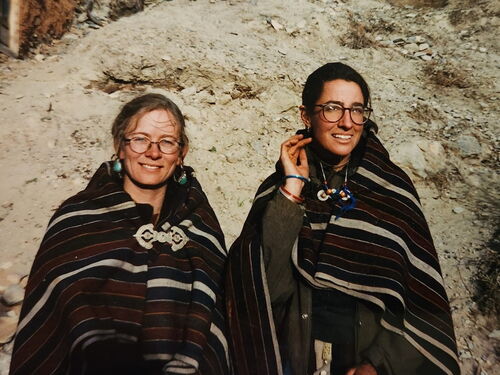
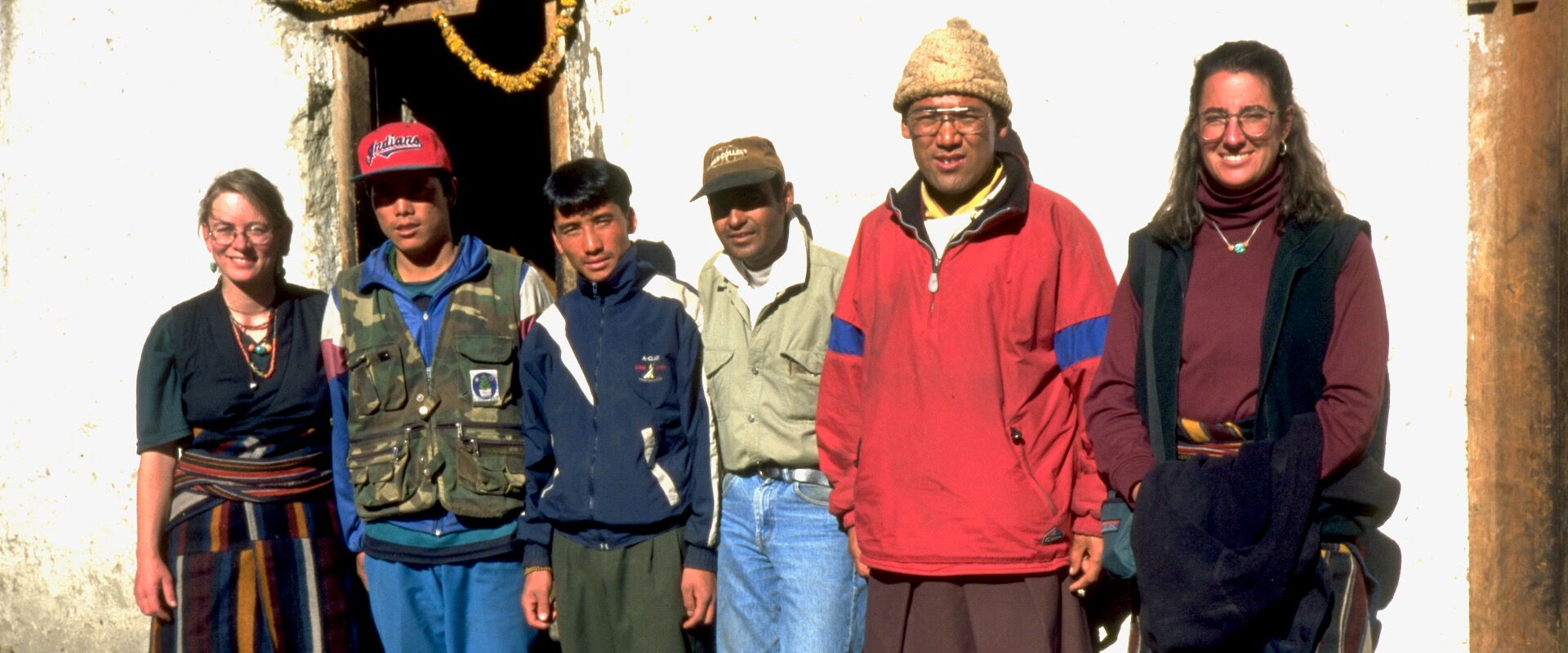
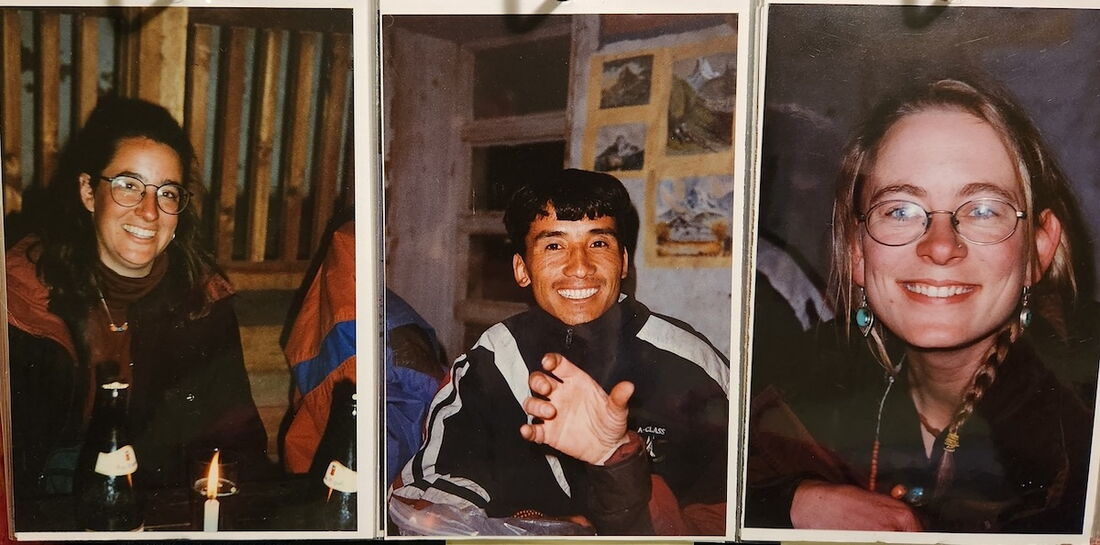
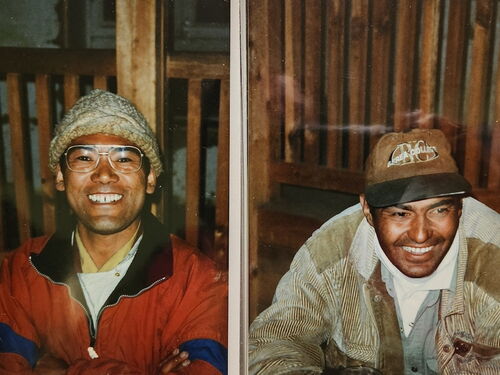
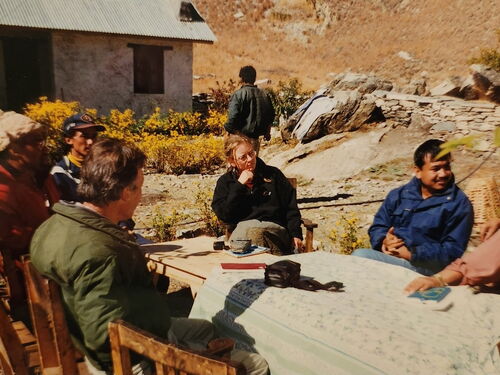
Semduk Lama, Geshe Yungdrung Wangyal, Marietta Kind, and later Catherine Inman, who was working for the US Peace Corps at the time, came together and started plans for their own school in Phoksundo, which was to integrate the Tibetan language and local culture into the lessons alongside the Nepali school curriculum. Another important concern was that not only boys (as monks) but also girls could receive a good education locally. With this idea, they went to the district capital, spoke with the heads of the National Park and the Education Office, and were motivated and advised by the socially engaged Angad Hamal. From then on, everyone worked in their respective countries and locally for the fundraising and logistical setup of the school, the associations, and the cooperation with the Department of Education.
Unfortunately, Geshe Yungdrung Wangyal has since passed away, but he left behind his spirit and important traces for the project. The other three founding members still form an internationally cooperating team today.