Monasteries and Cultural Heritage
Monasteries, shrines, statues, and murals are part of Dolpo's unique cultural heritage. Often, however, the financial means to properly preserve and renovate these cultural assets are lacking.
With both smaller and larger contributions, the Tapriza Association supports the preservation and expansion of various monasteries and shrines. For instance, the Thasung Tsholing Monastery in Ringmo, the extension of the Yungdrung Droduling Monastery in Hurikot, as well as the renovations of the Thaktsen Rabgyeling Monastery in Pumer and the Namgyal Lhakang in Pugmo were realized. In Kalibon, the association contributed financial resources to the construction of a new monastery and an affiliated school. Furthermore, in Ringmo and Pugmo, we supported the renovation of religious shrines, known as Chörtens in Tibetan, the reconstruction of hermitages, and the preservation and reissue of historical writings.
Supporting Monasteries and Cultural Heritage
- Renovate, preserve, and expand monasteries and shrines
- Renovate murals, statues, and religious objects
- Support mask dances and traditional festivals
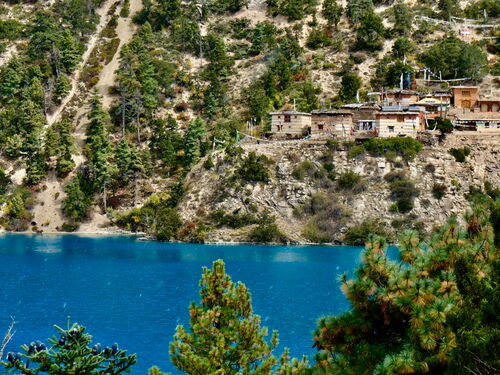
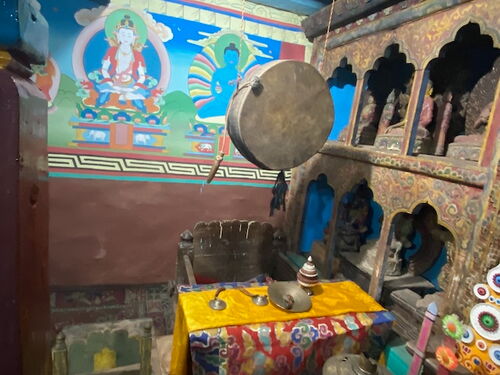
Ringmo Monastery – Thasung Tsholing Gompa
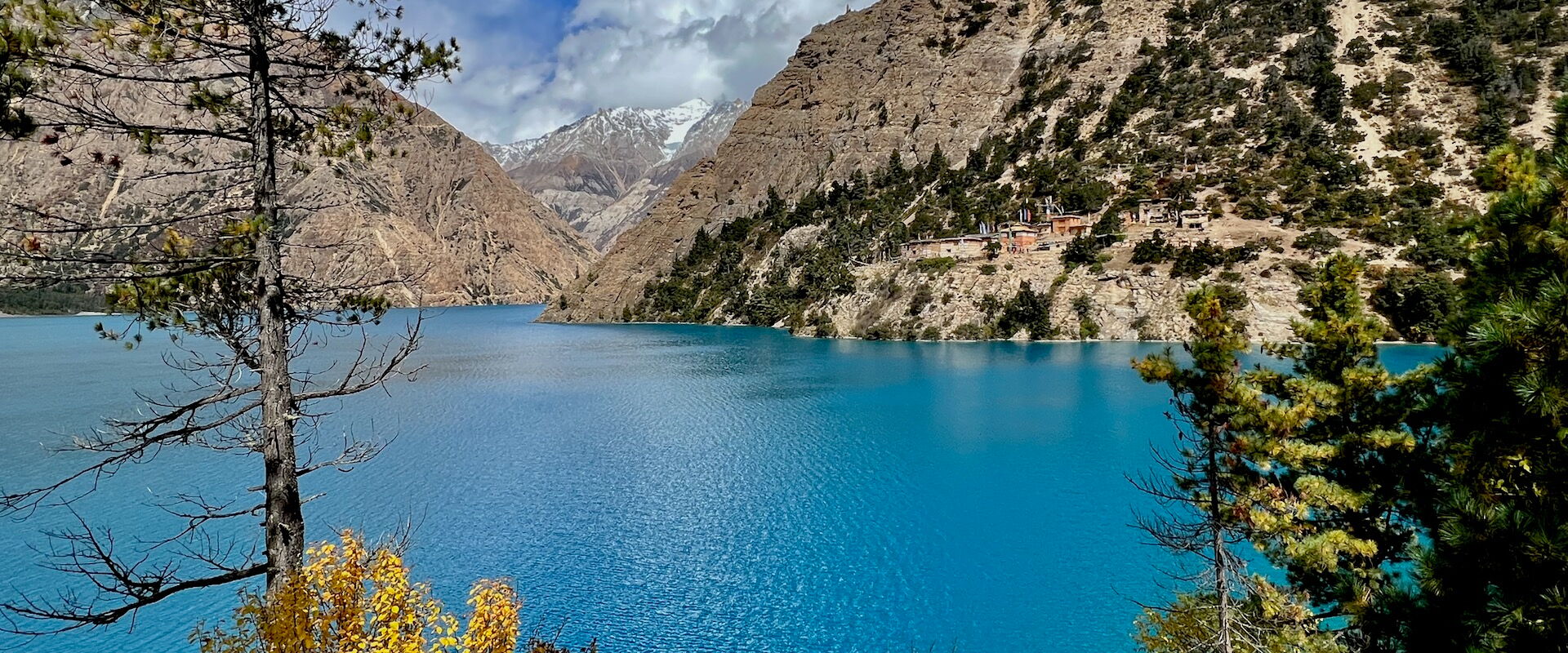
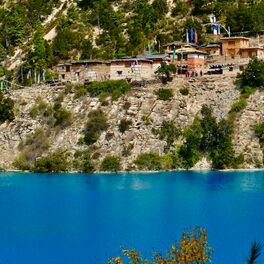
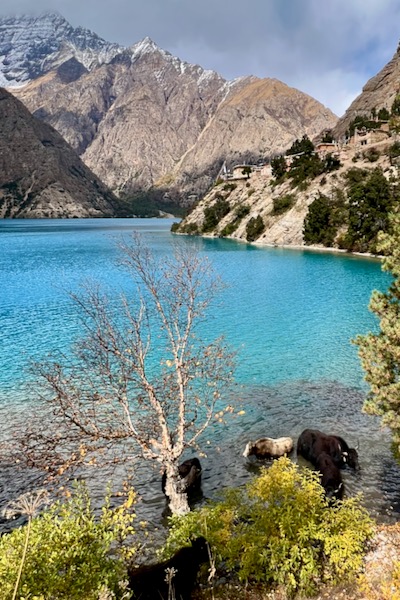
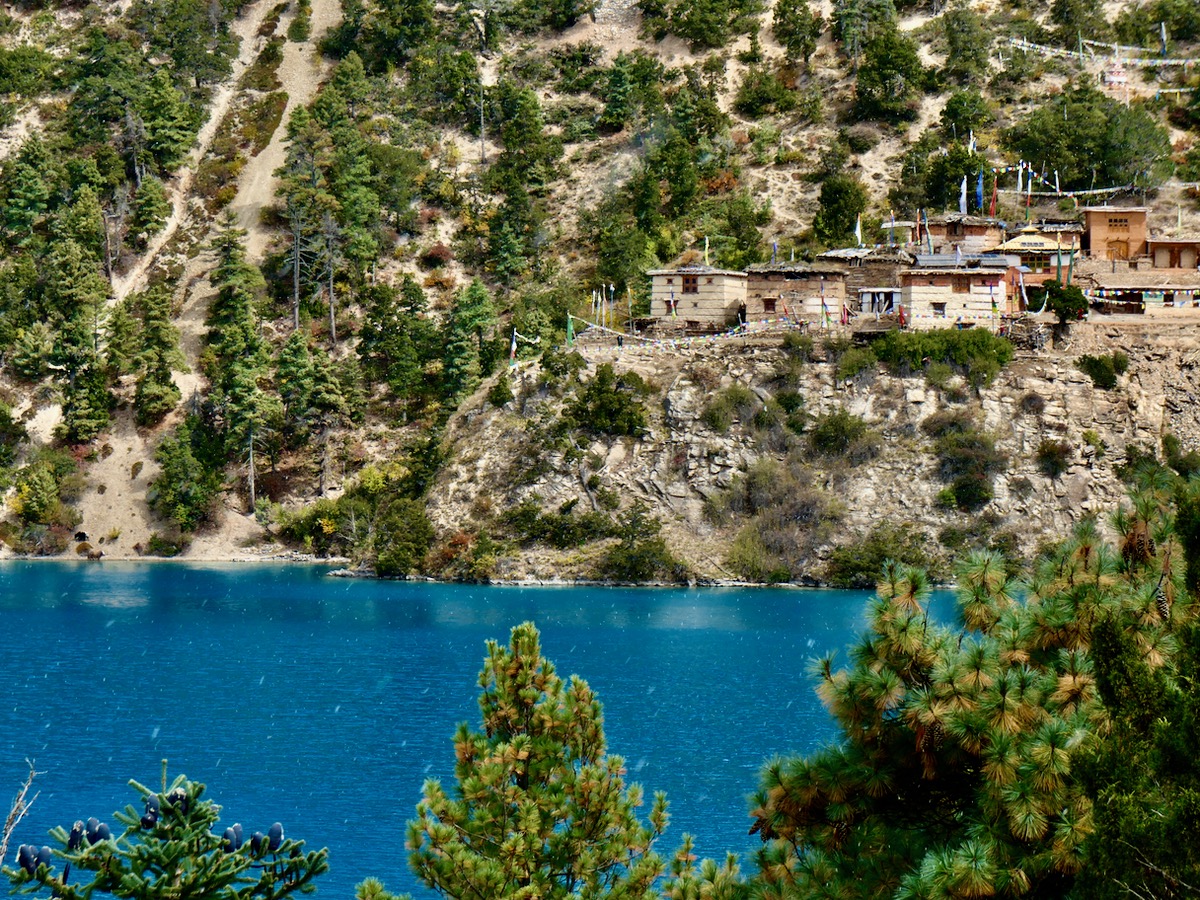
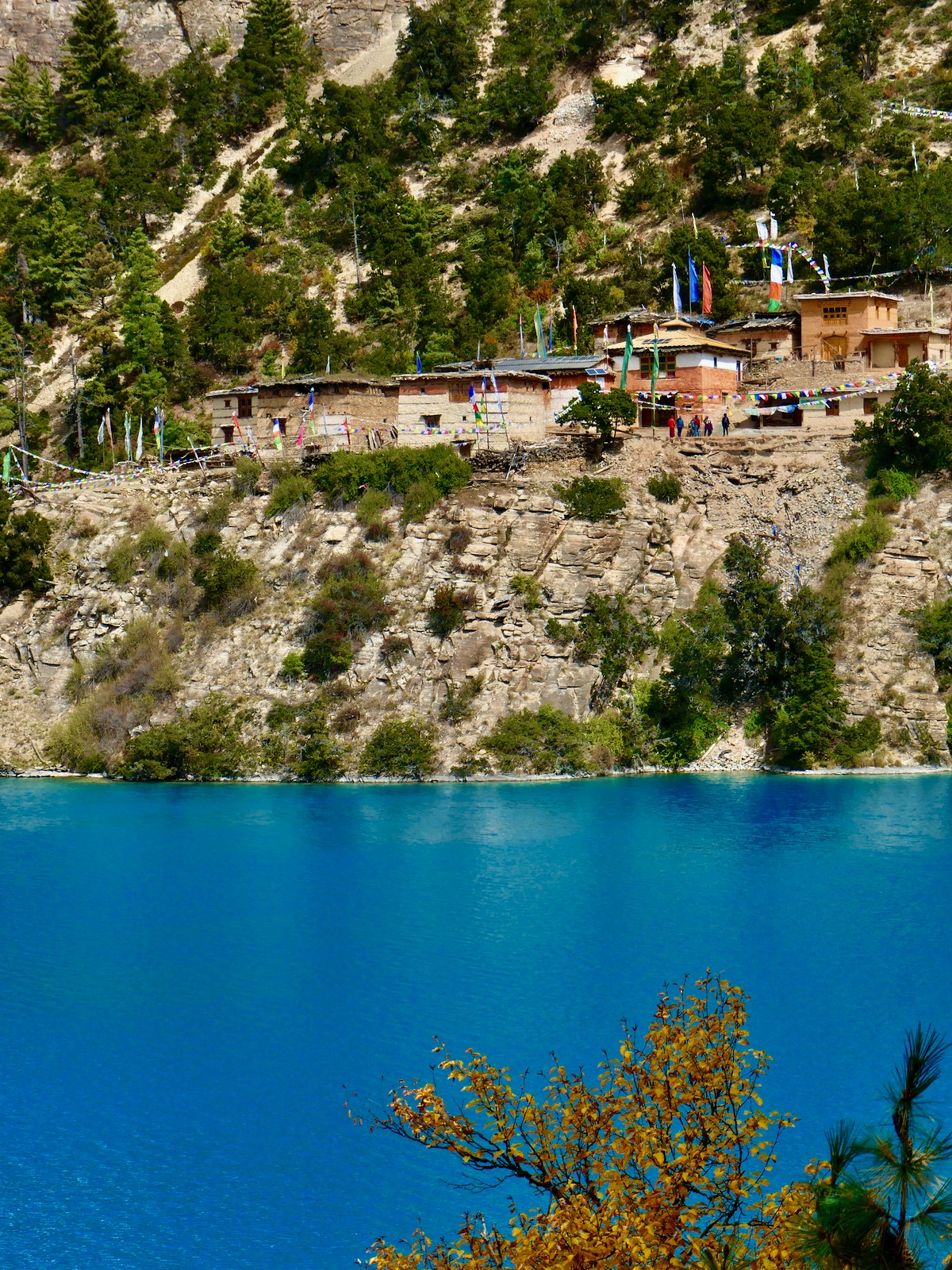
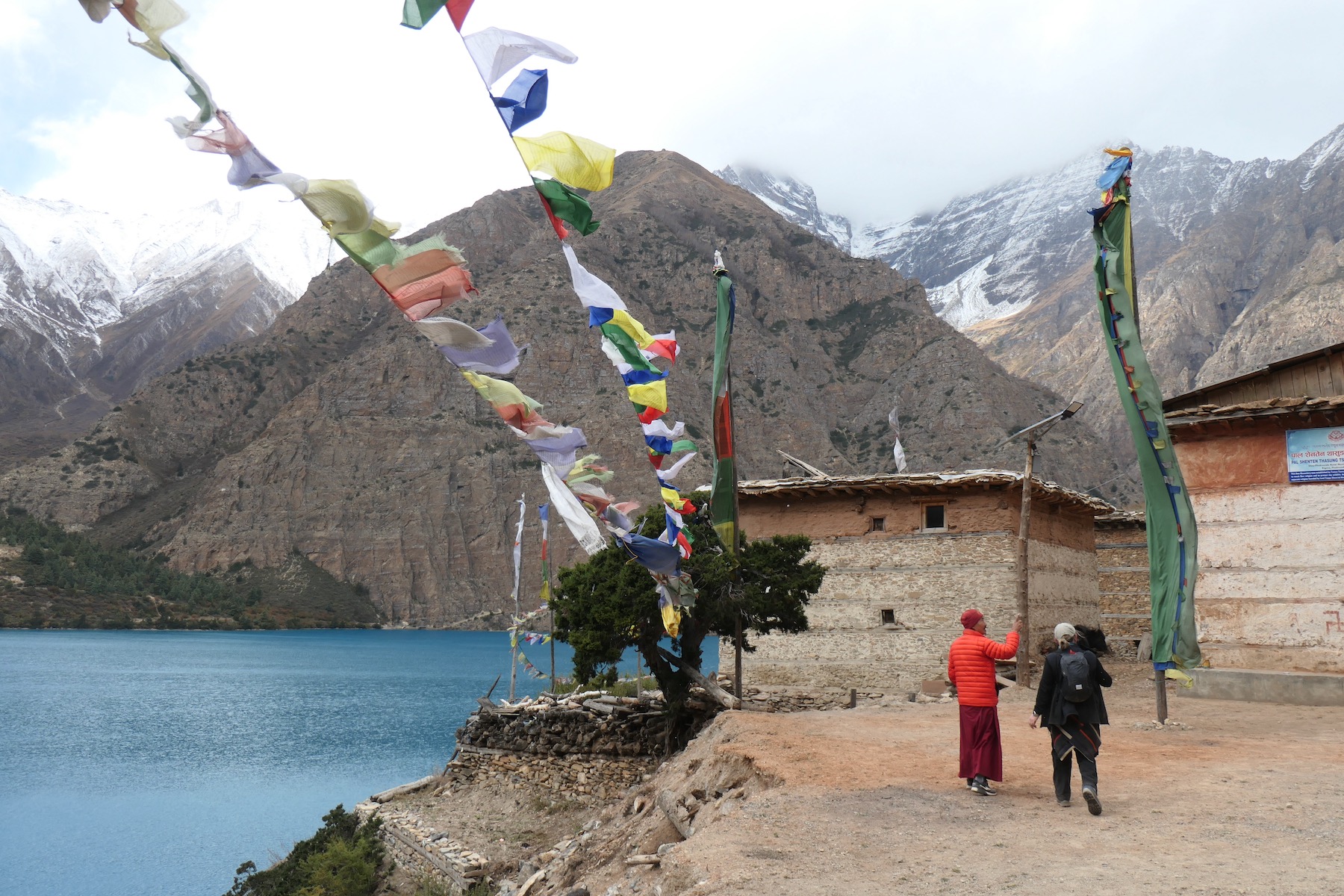
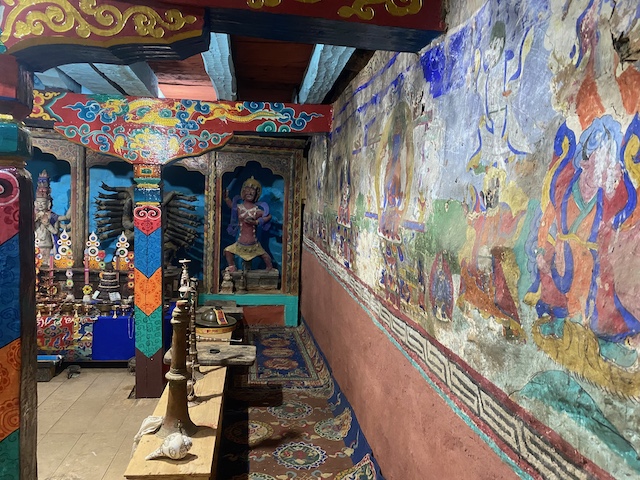
The Thasung Tsholing Gompa monastery in Tsho (Tib. mTsho = Nep. Ringmo) consists of a group of nine houses and is situated on the steep eastern lakeshore, a 15-minute walk from the village. Behind the monastery rises a massive steep rock face, and below it, the shore drops abruptly into the water. The founding story of the monastery speaks of this very special location. According to tradition, many hunters chased their prey into this rocky corner, from which the animals could no longer escape. The Bön Lama Treton Tshewang Tshultrim founded the monastery to put an end to the killing and to protect this place (mtha' srung, 'protected abyss'). Today, several monks live in the monastery, which is led by Abbot Khenpo Geshe Samdrup Nyima.
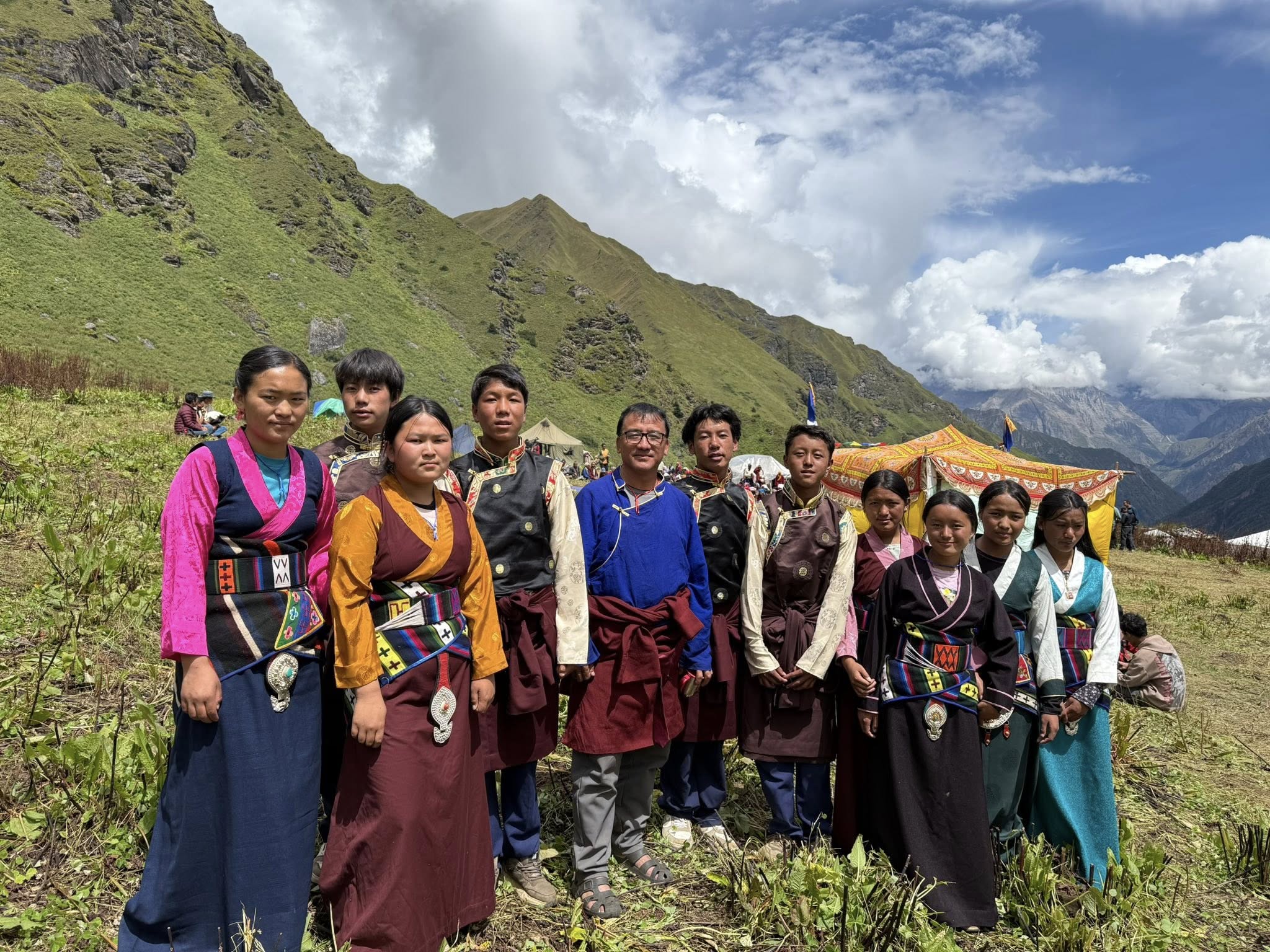
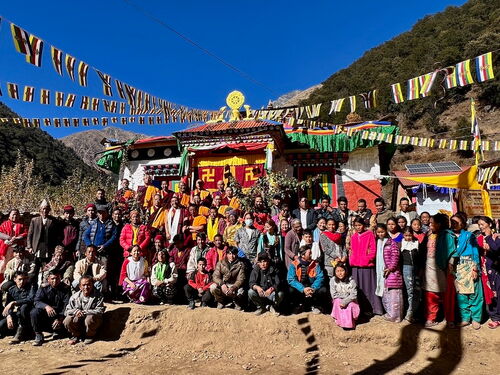
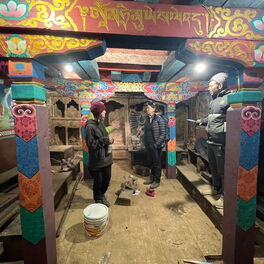
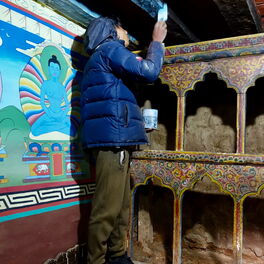
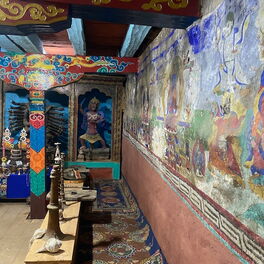
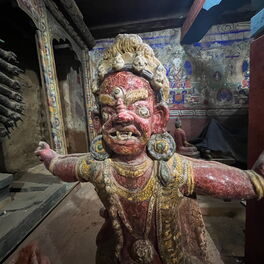
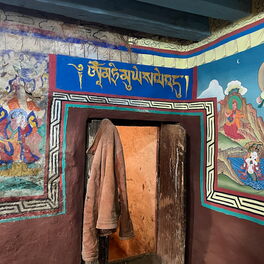
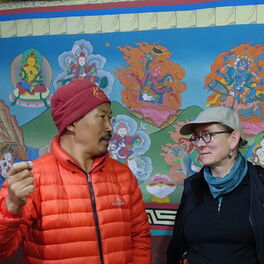
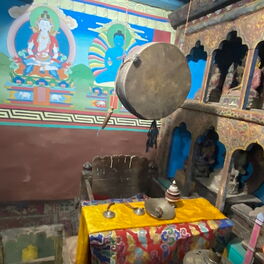
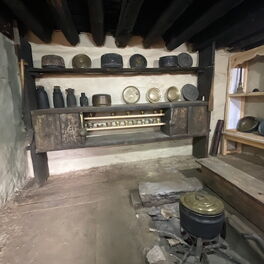
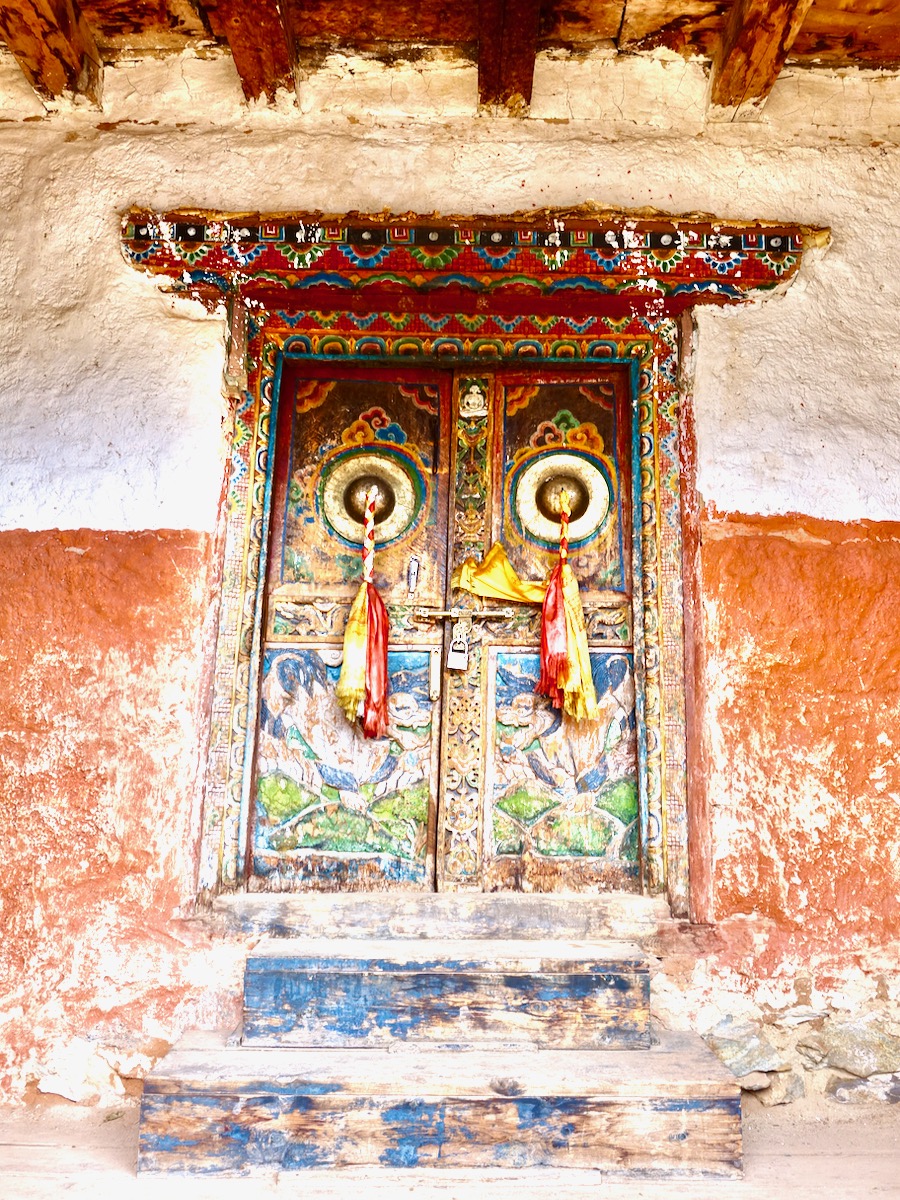
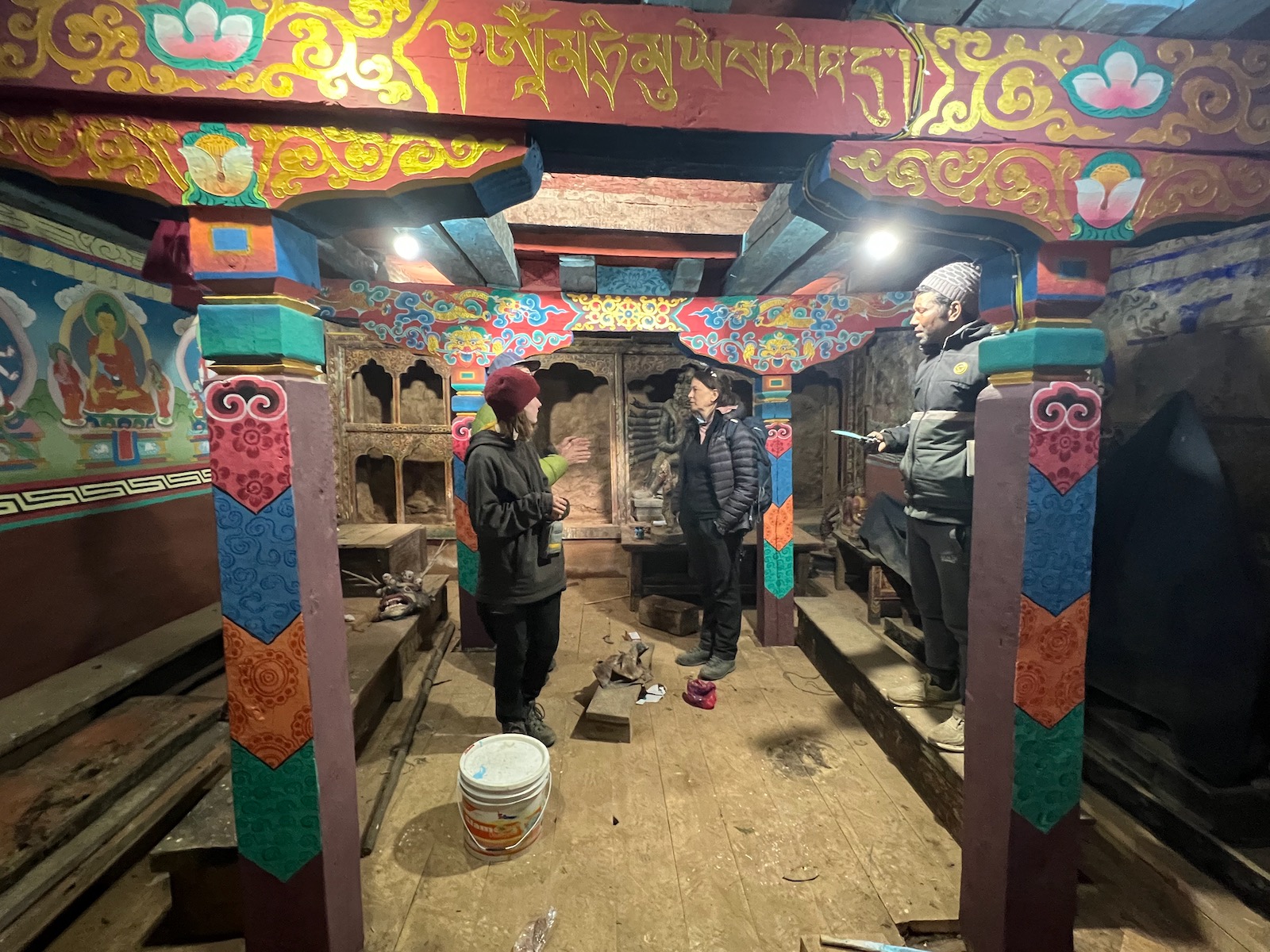
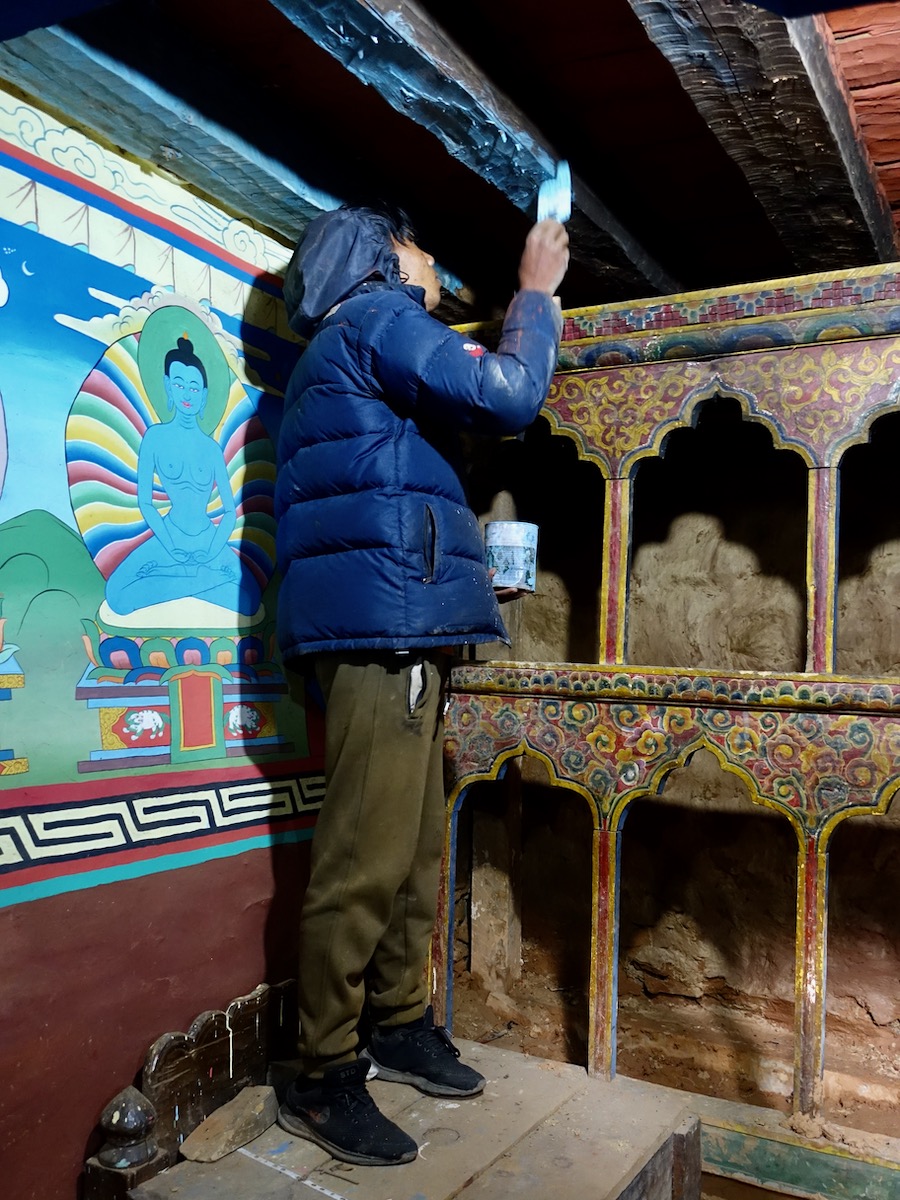
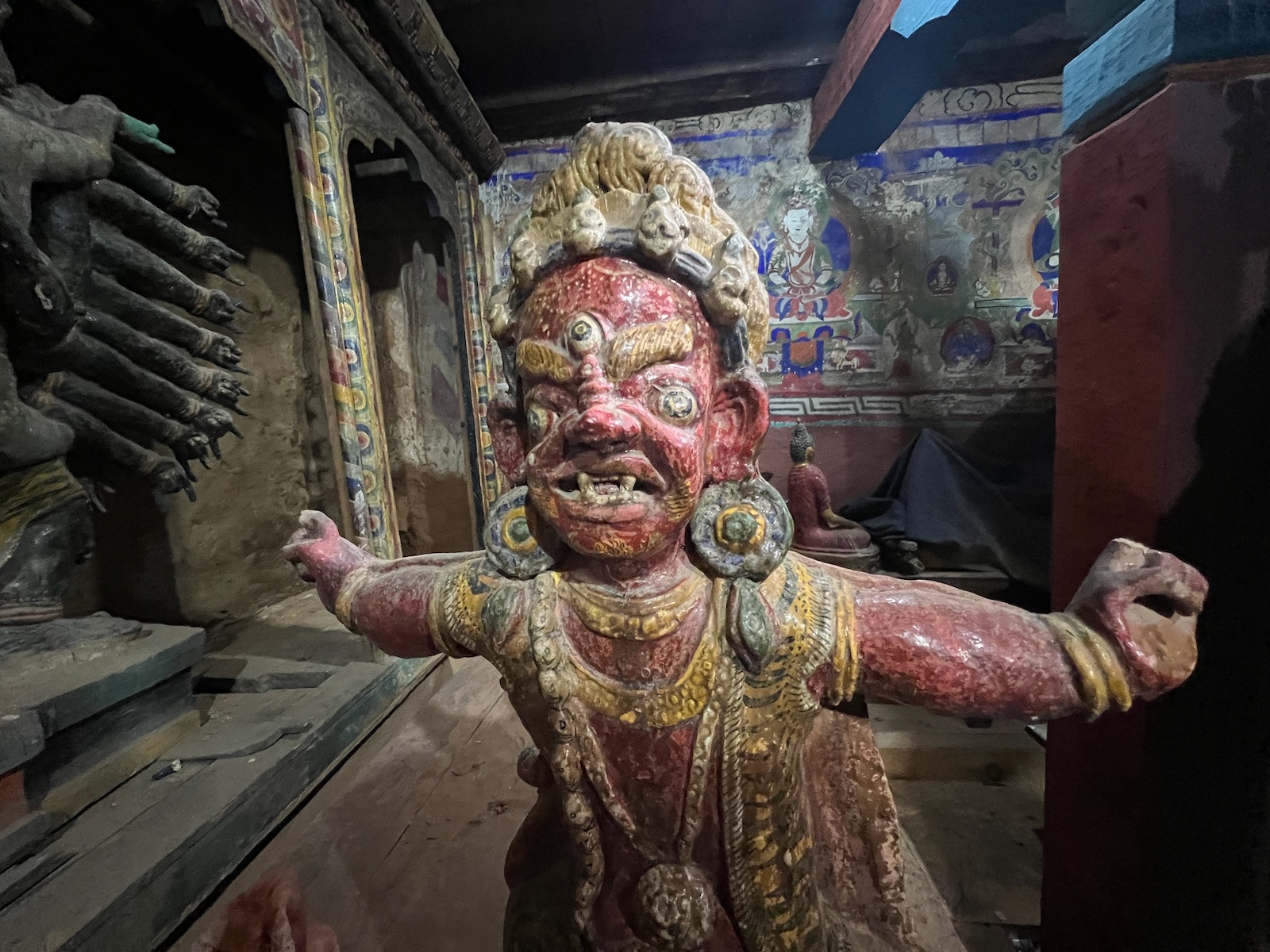
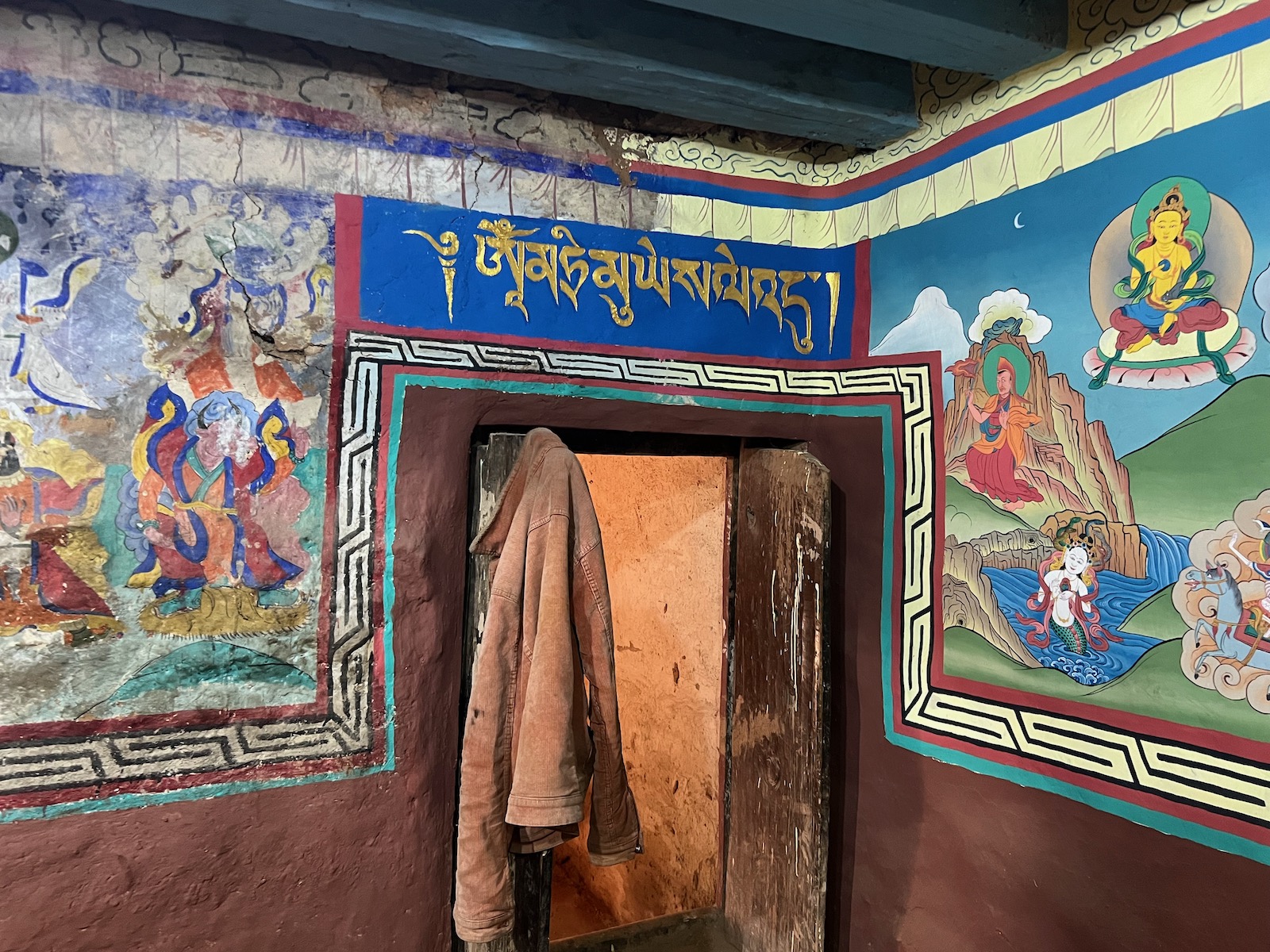
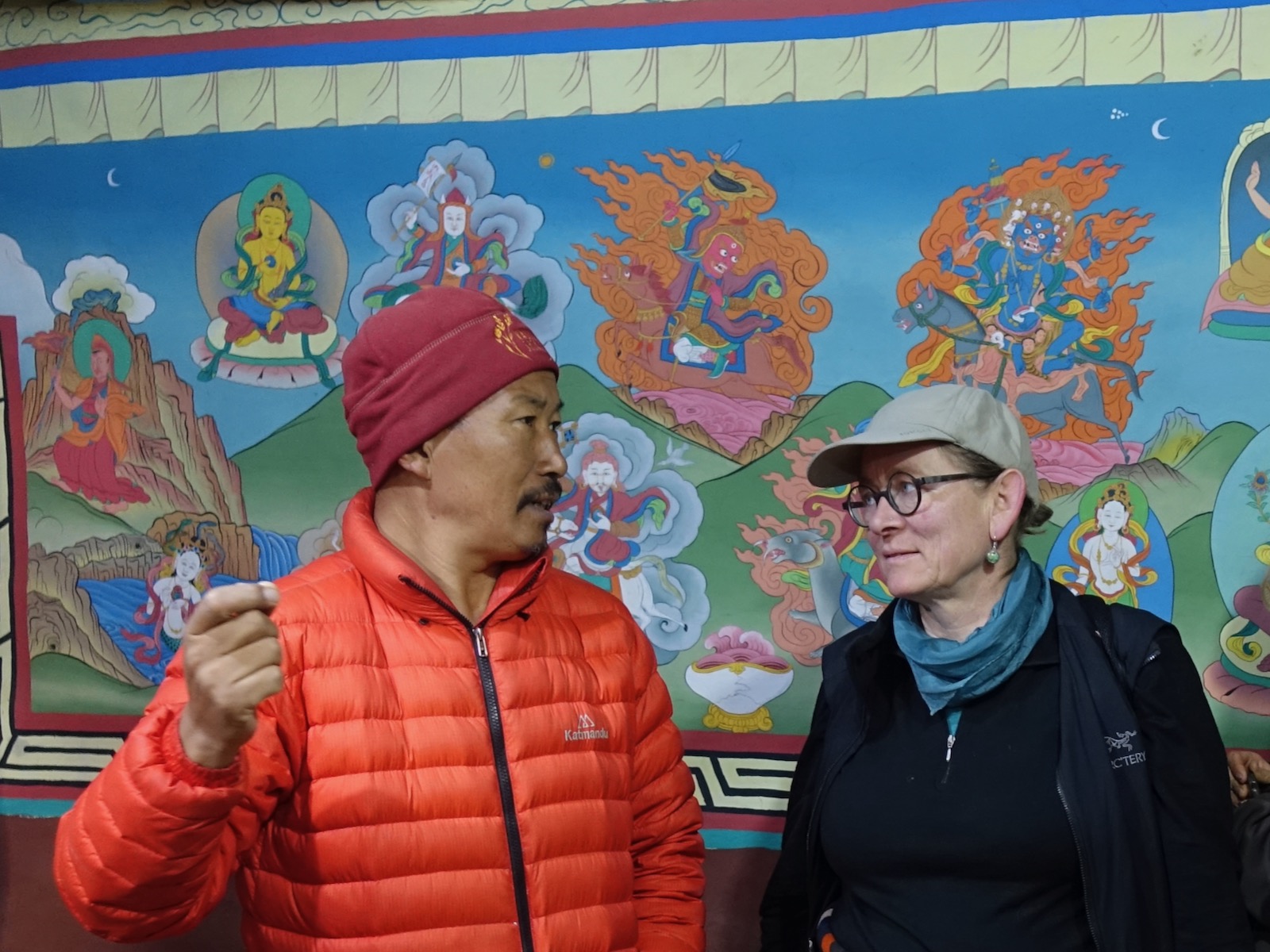
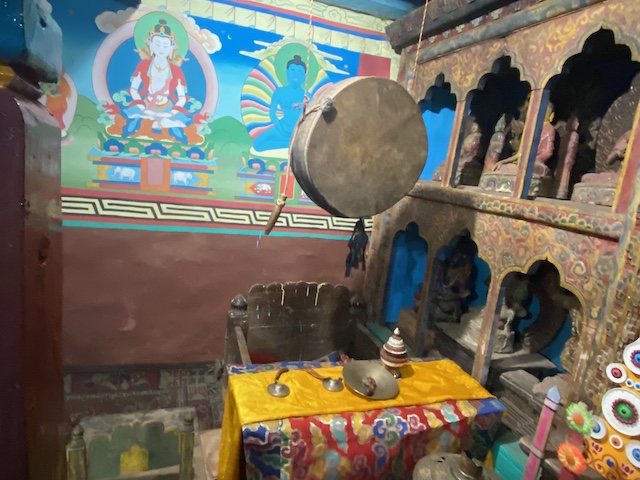
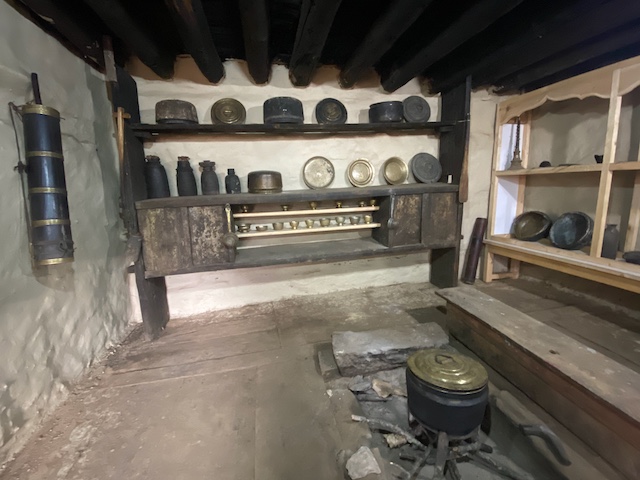
We supported the construction of the newer Gompa and an associated kitchen because the space in the old one was no longer sufficient for village events and festivals. Added to this were contributions for murals, books, and statues. Since then, the old monastery has been partially renovated and converted into a small museum. In 2024, the museum in the old Gompa was inaugurated with rituals and dances performed by our Tapriza school children.
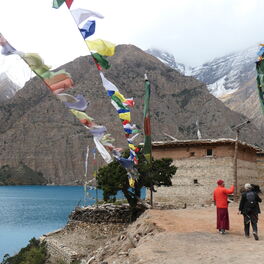
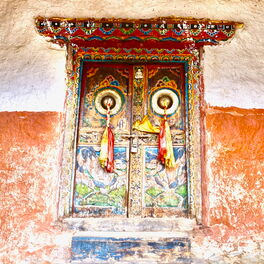
Thasung Tsholing Gompa - Renovation and Museum
-
-
-
-
-
-
-
-
-
-
-
-
Restored murals in the old Ringmo Gompa © Geshe Lodrö Choklek. -
-
-
Shrine Renovations
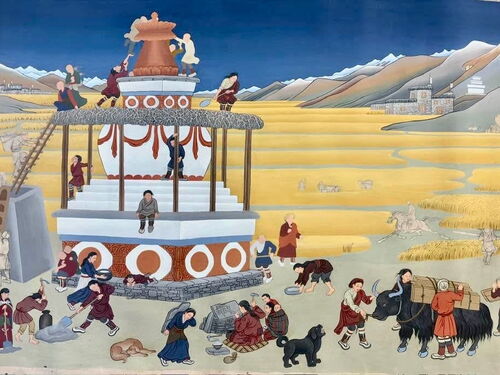
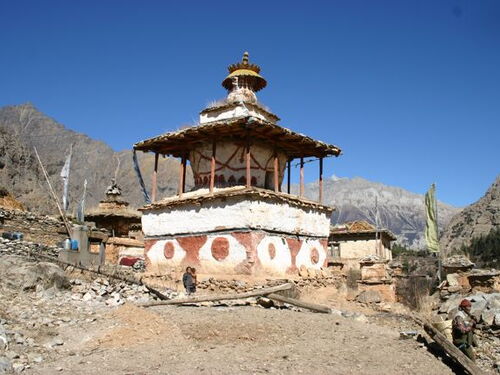
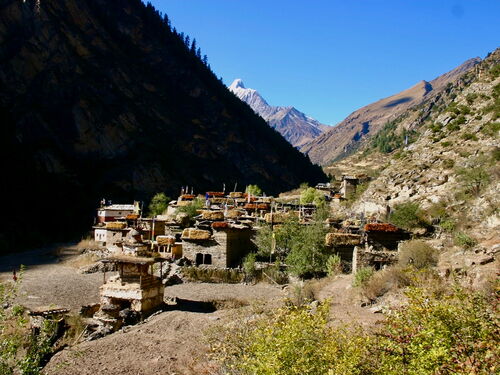
The Chörtens (Tib. mchod rten, Skt. stupa) are shrines that point towards the spiritual world and the ancestors. Ringmo is surrounded by a large number of such shrines in all directions. On the one hand, they separate the wild nature from the human settlement, and on the other hand, they serve as religious symbols. The village population of Ringmo is renovating these shrines step by step and trying to restore the murals inside to save them from decay. Of particular importance are the four passage shrines built by the Treton Master in the four cardinal directions in Dolpo to offer protection in all directions. We have supported renovations of Chörtens in both Ringmo and Pugmo.
Namgyal Lhakhang Gompa (Pugmo)
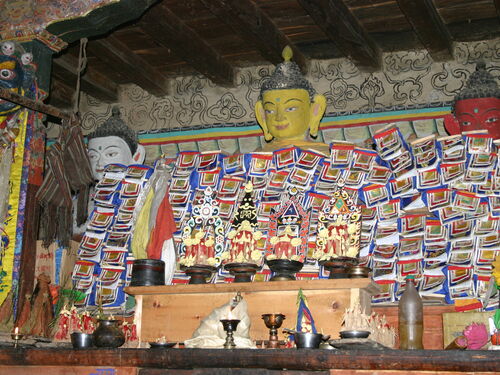
The monastery of Pugmo is located in the center of the village and is used for all religious and cultural events of the village community. It owes its name to the large blue statue inside the main room. At the request of the villagers, the Tapriza Association has already supported several renovations of the roof, murals, and statues with financial contributions. Furthermore, we facilitated the purchase and transport of the central Kangyur and Tengyur texts for the monastery.
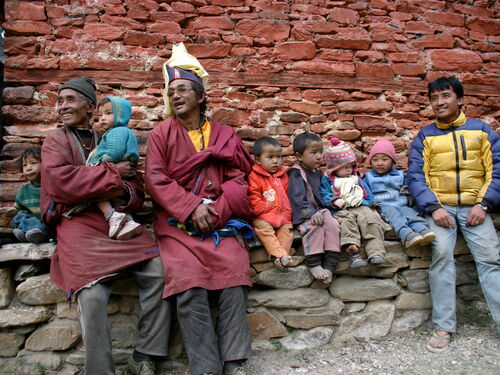
Taktsen Rabgyeling Gompa (Pumer)
The monastery was built around 300 years ago by the Bön Lama Jimpa Gyaltshen from the Dongminyag lineage in Pumer. The monastery was a significant pilgrimage site where monks learned and meditated. For generations, it was led by the Treton lineage, but fell into disrepair when male descendants were lacking.
About 120 years ago, Lama Namgyal Shenrab Gyaltshen from the Khyungpo Karu lineage came to Dolpo, settled in the monastery, and brought a new upswing to the Bön tradition. Under his leadership, the monastery was expanded and renamed Padma Ling Gompa. It developed into the central religious place for all of Dolpo. Today it bears the name Thegchen Rabgyeling and continues to be led by the Khyungpo Karpo lineage. We regularly support the monastery and over the years have made possible roof renovations, the restoration of statues and murals, as well as the acquisition of sacred Bön scriptures (Kangyur and Tengyur), a rarity in all of Dolpo.
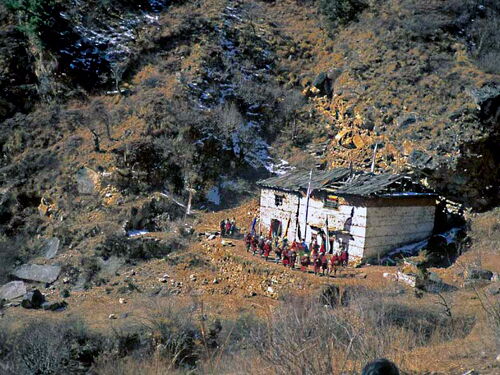
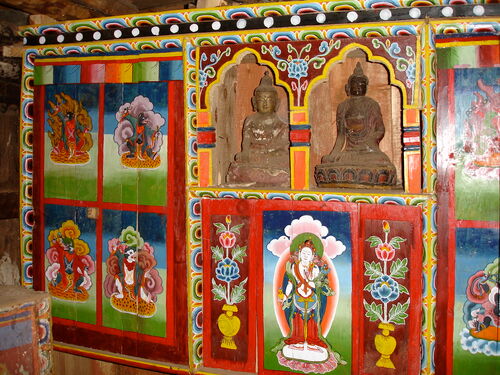
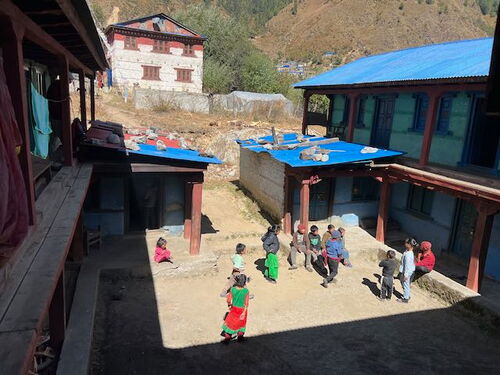
Yungdrung Droduling Monastery and Affiliated School
The Yungdrung Droduling Gompa monastery in Hurikot is very important in the region's Bön tradition. Young novices are educated here while simultaneously following the government school curriculum. The abbot, Geshe Nyima Wozer, also runs an accommodation facility for poorer school children from remote villages. We have supported this project since its beginning in 1996.
Kalibon Monrisosum Monastery
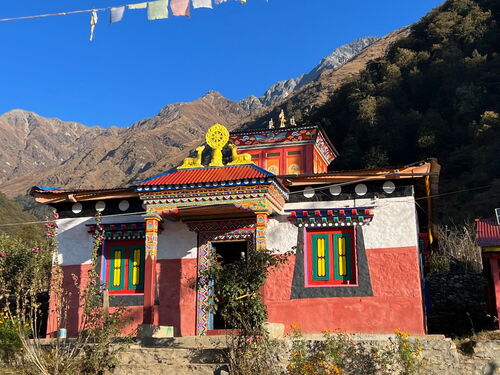
The residents of the village of Kalibon advocated for a monastery to be built near their village in the sacred Bön landscape of Monrisosum (Mon ri zur gsum), as the area is of great religious significance for followers of the Bön religion (Bönpo). In the meantime, the monastery has been built and inaugurated by Abbot Geshe Tsultrim Chogden. We have accompanied this process and remain involved in its maintenance—when necessary.
Lama Chumik Hermitage
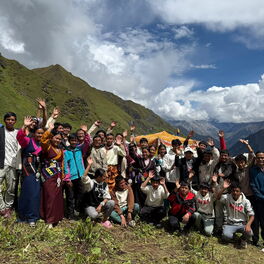
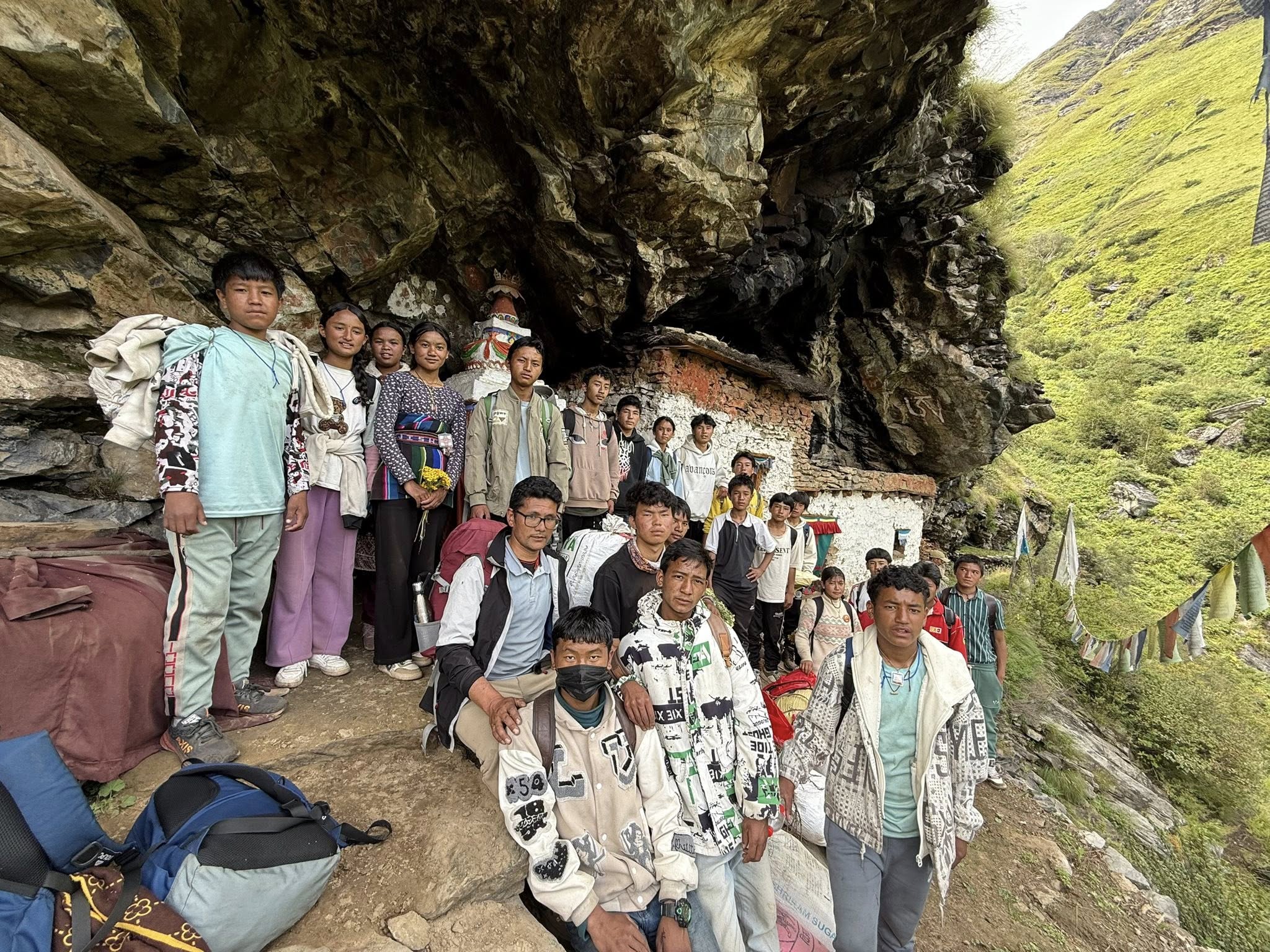
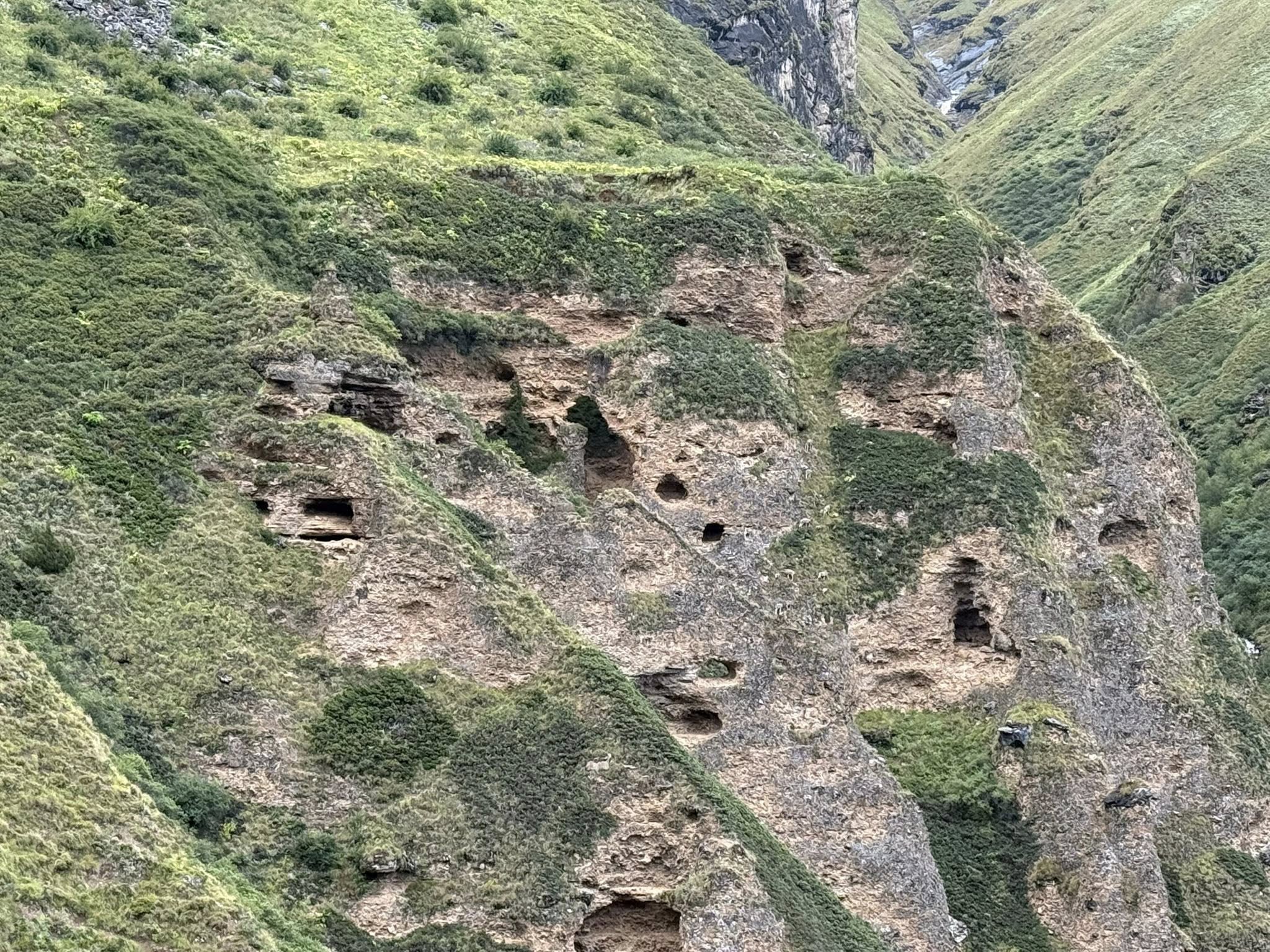
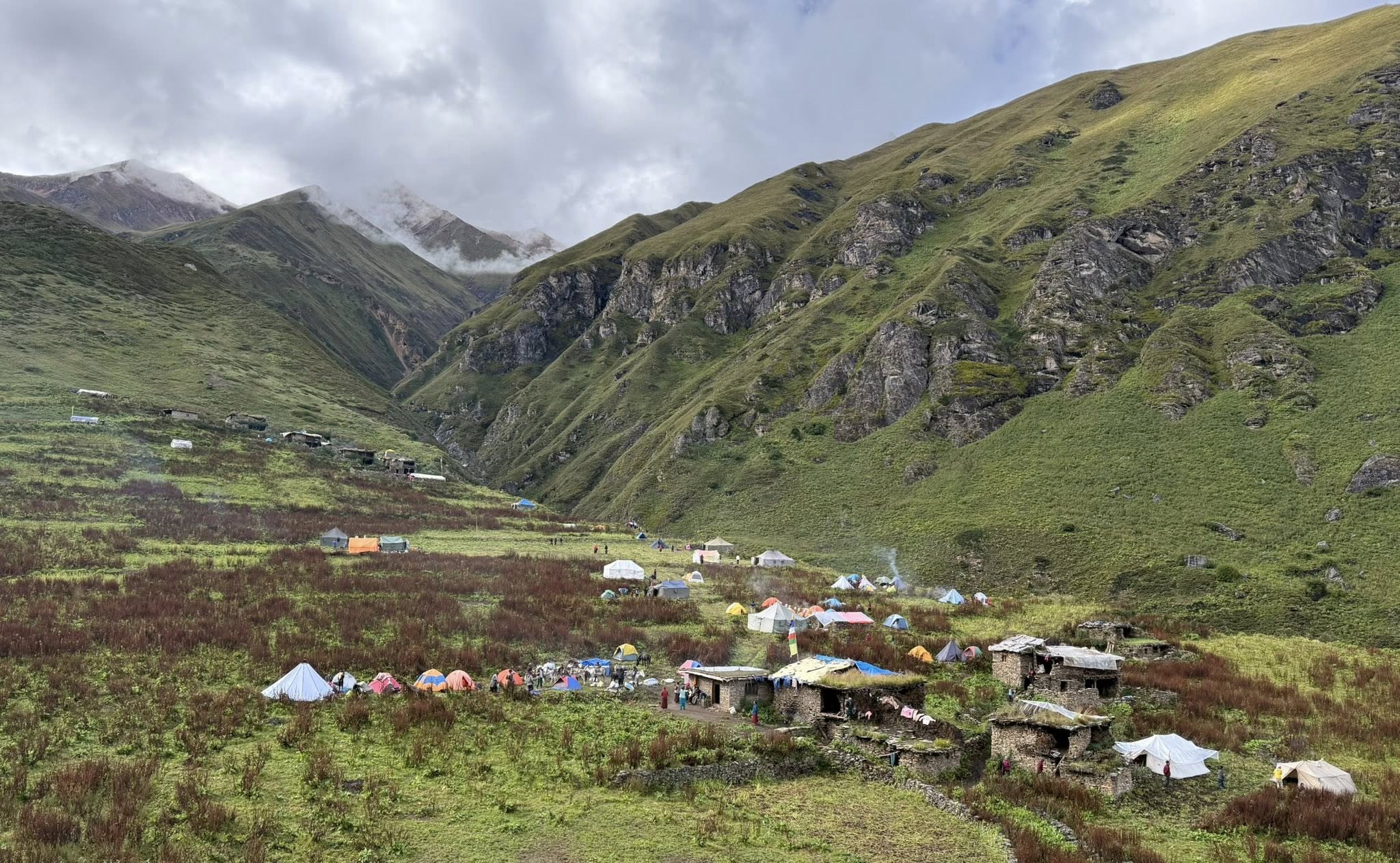
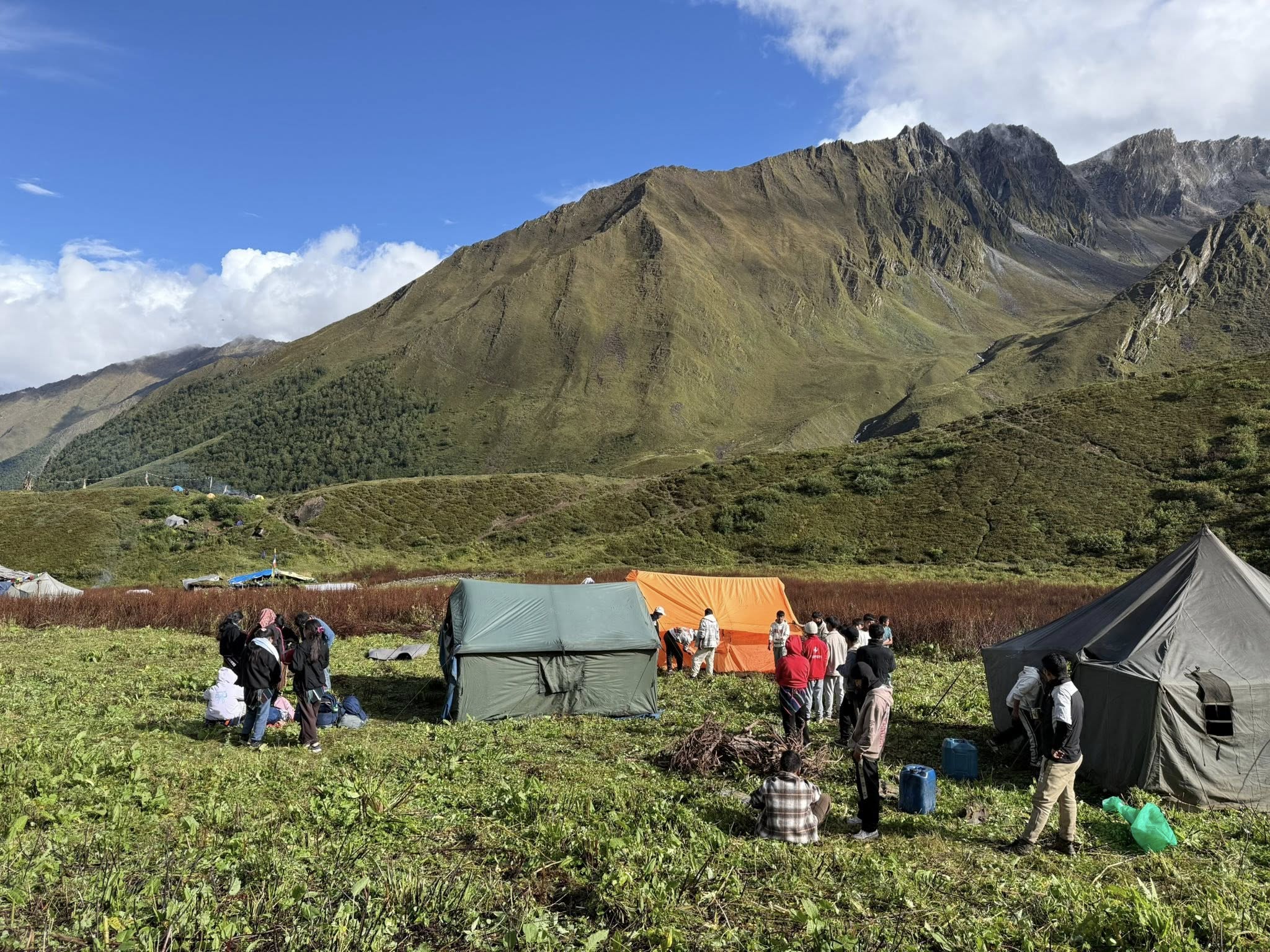
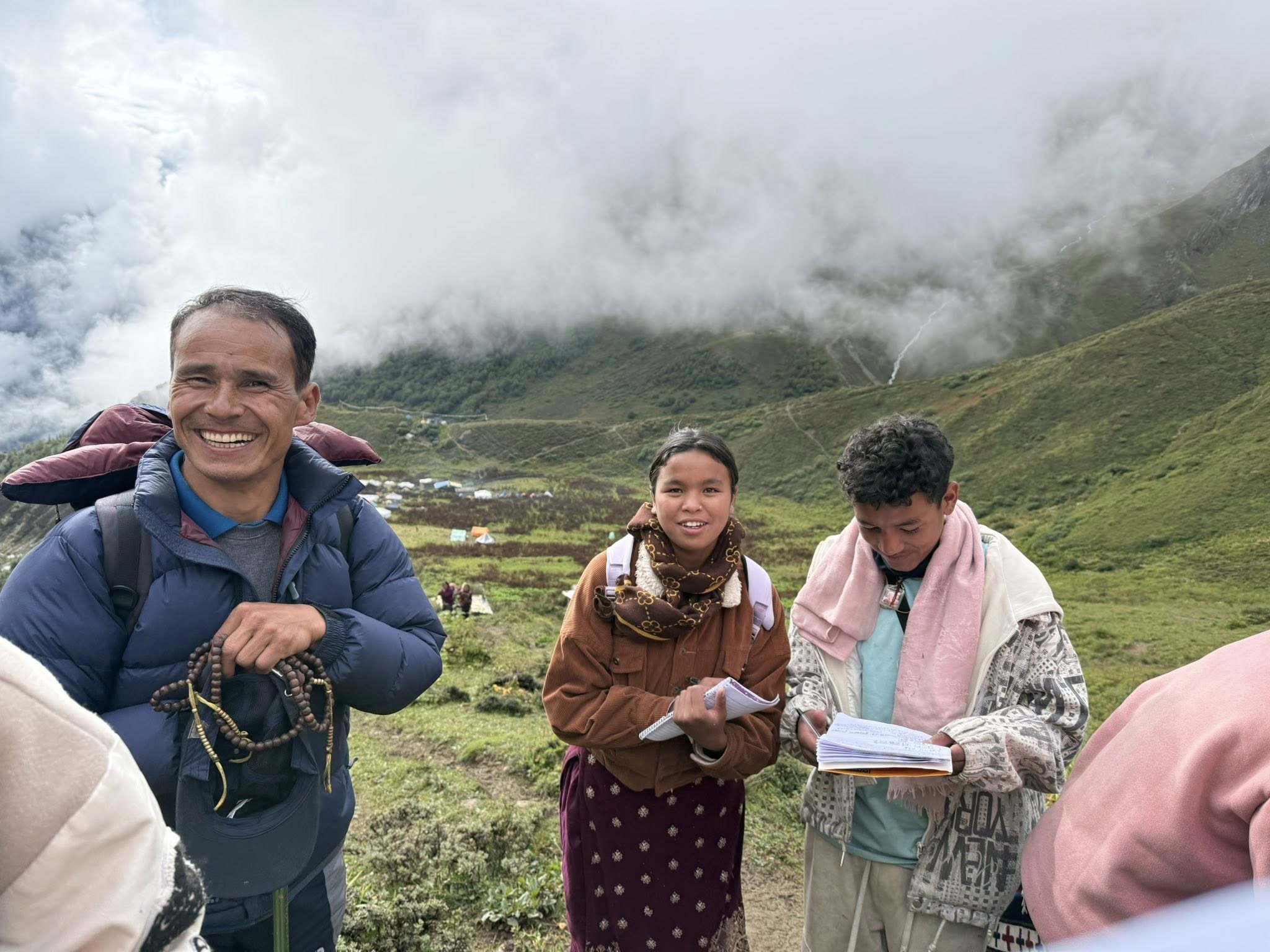
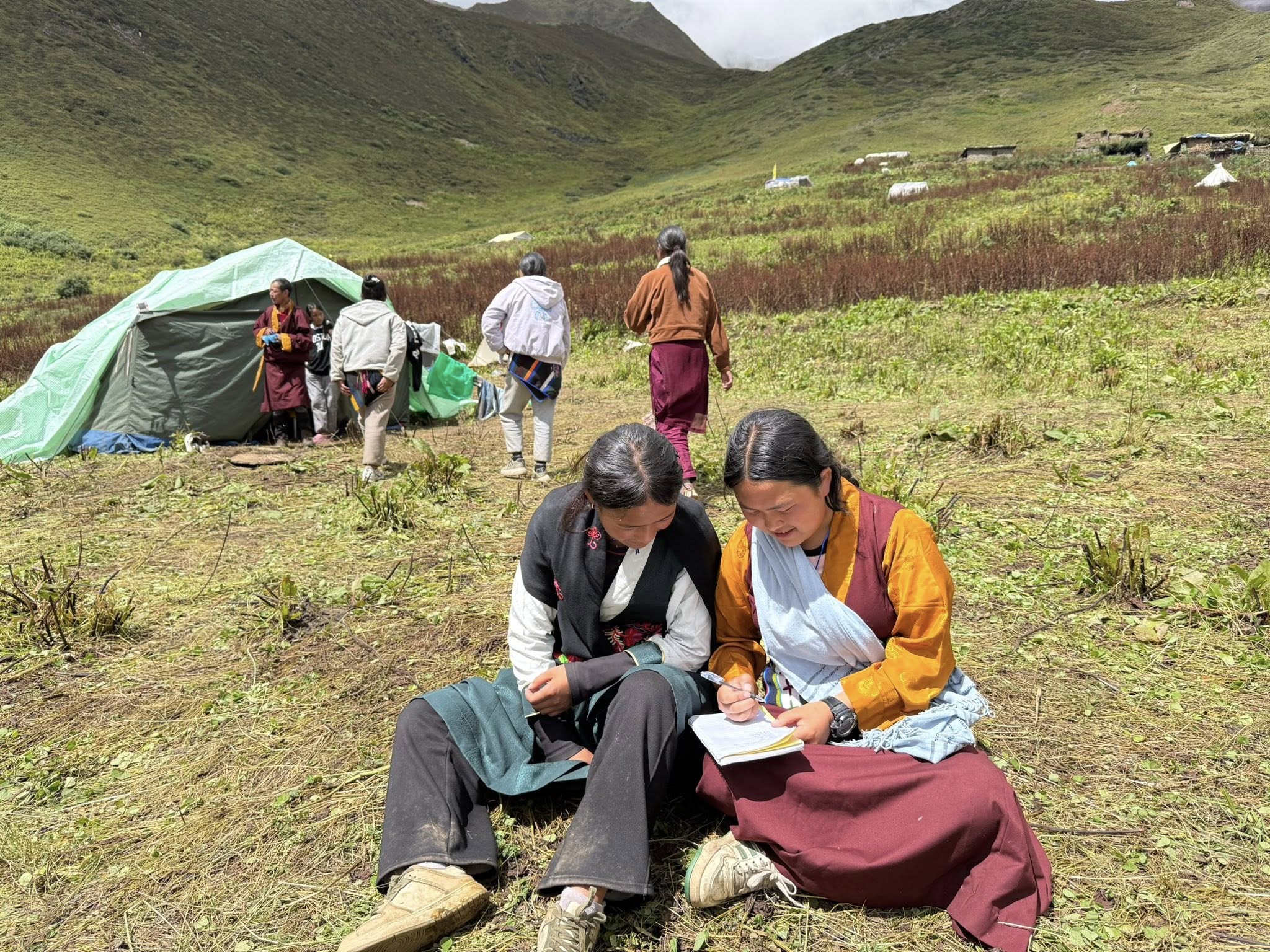
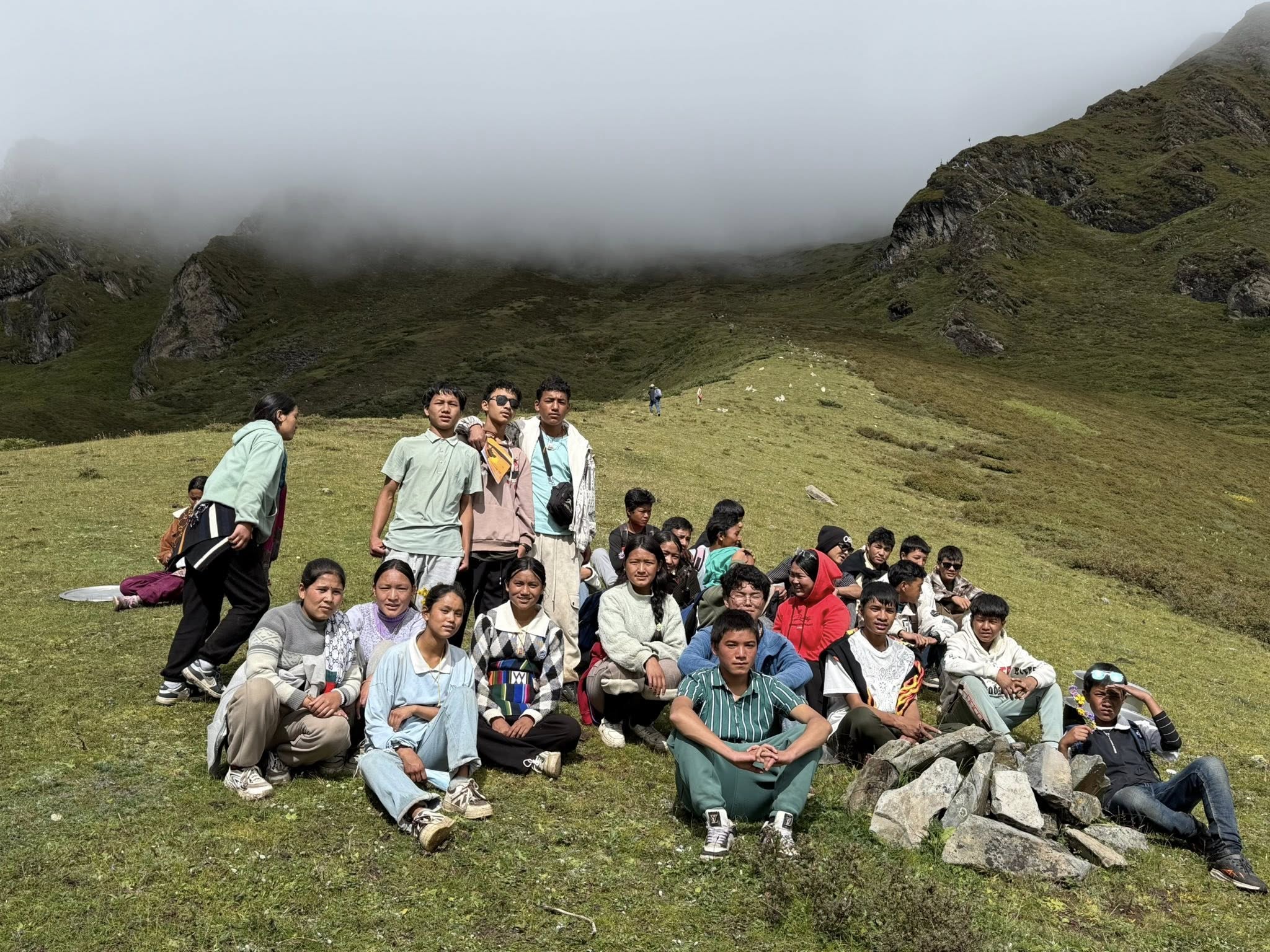
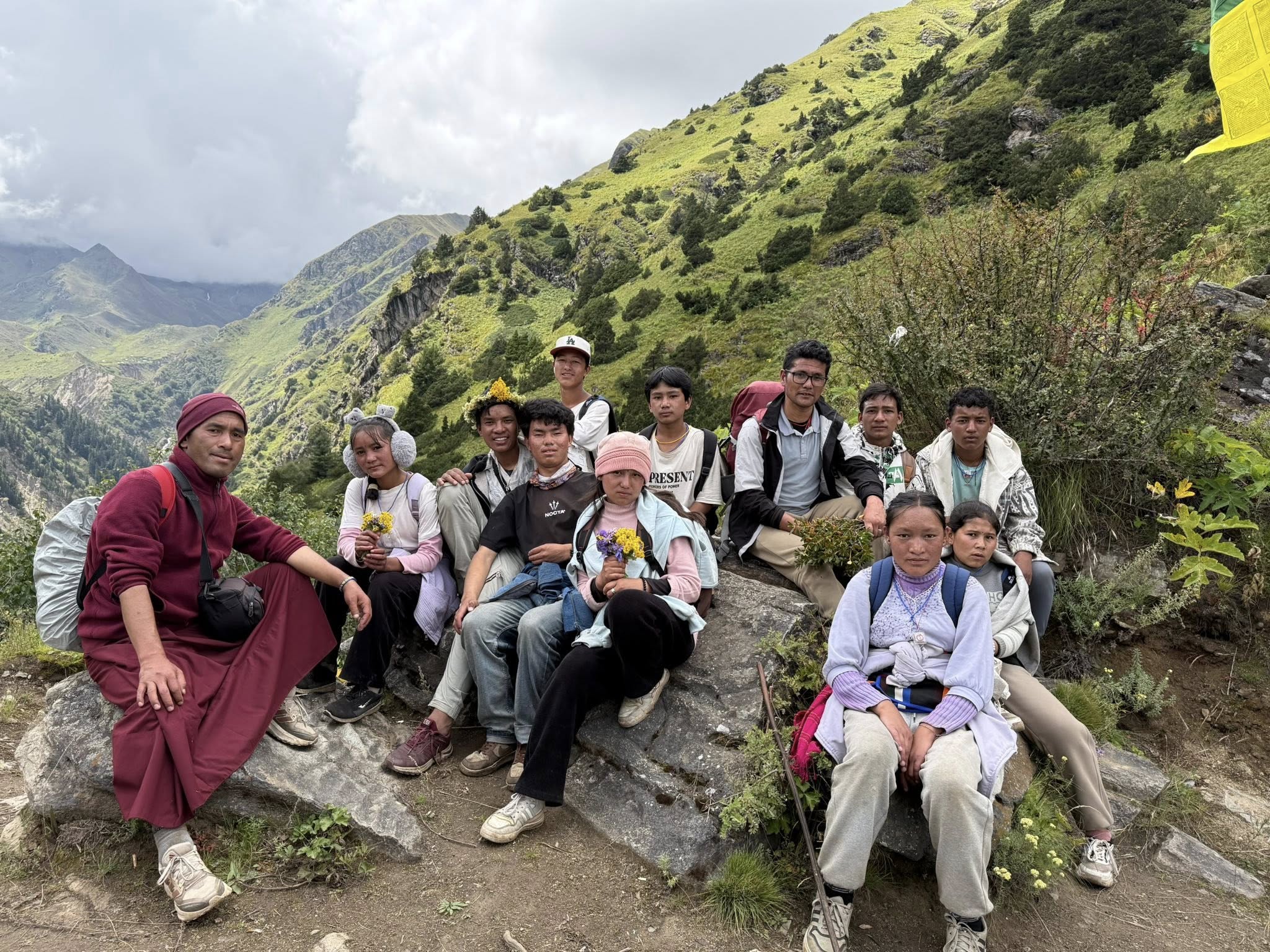
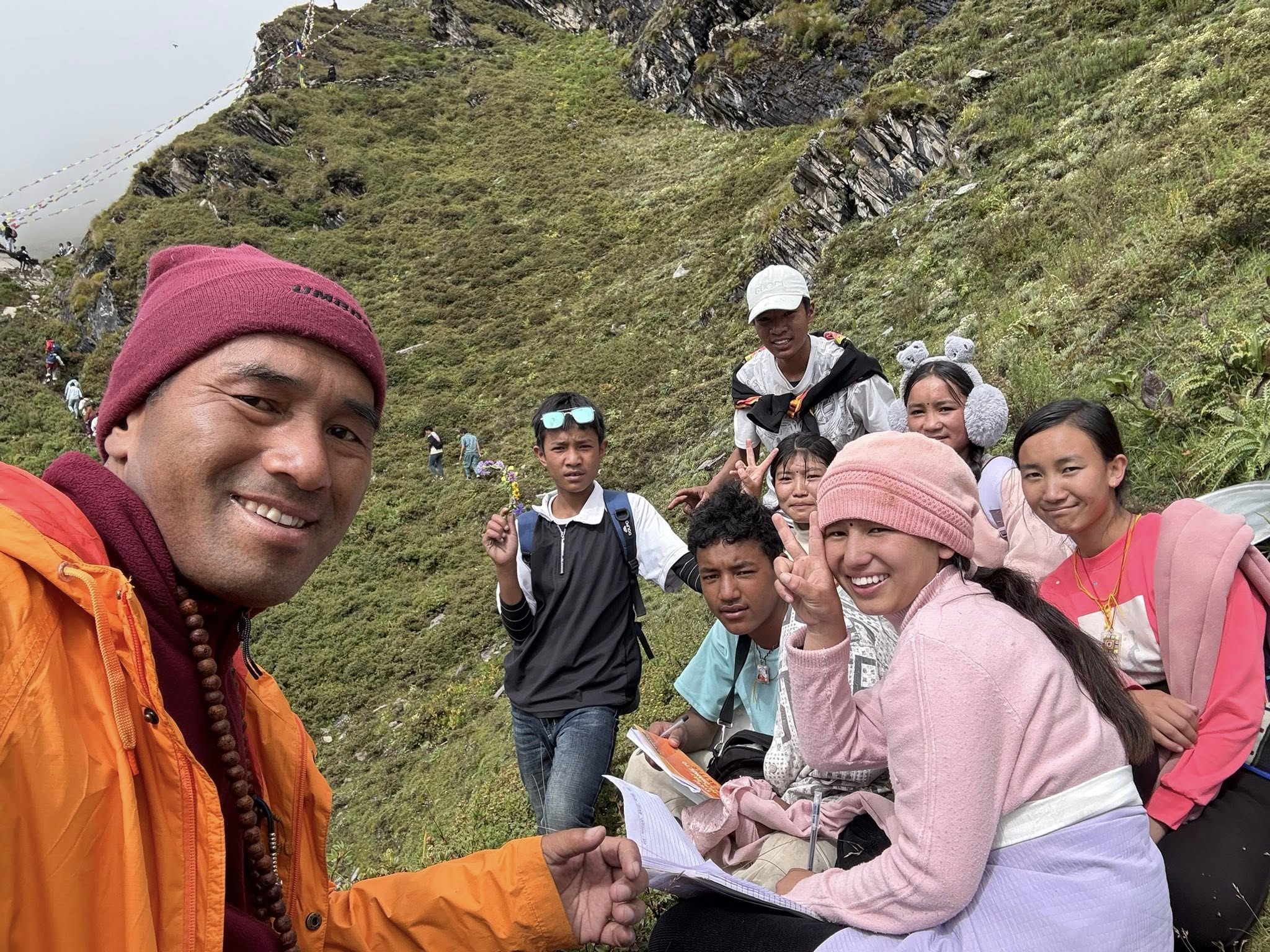
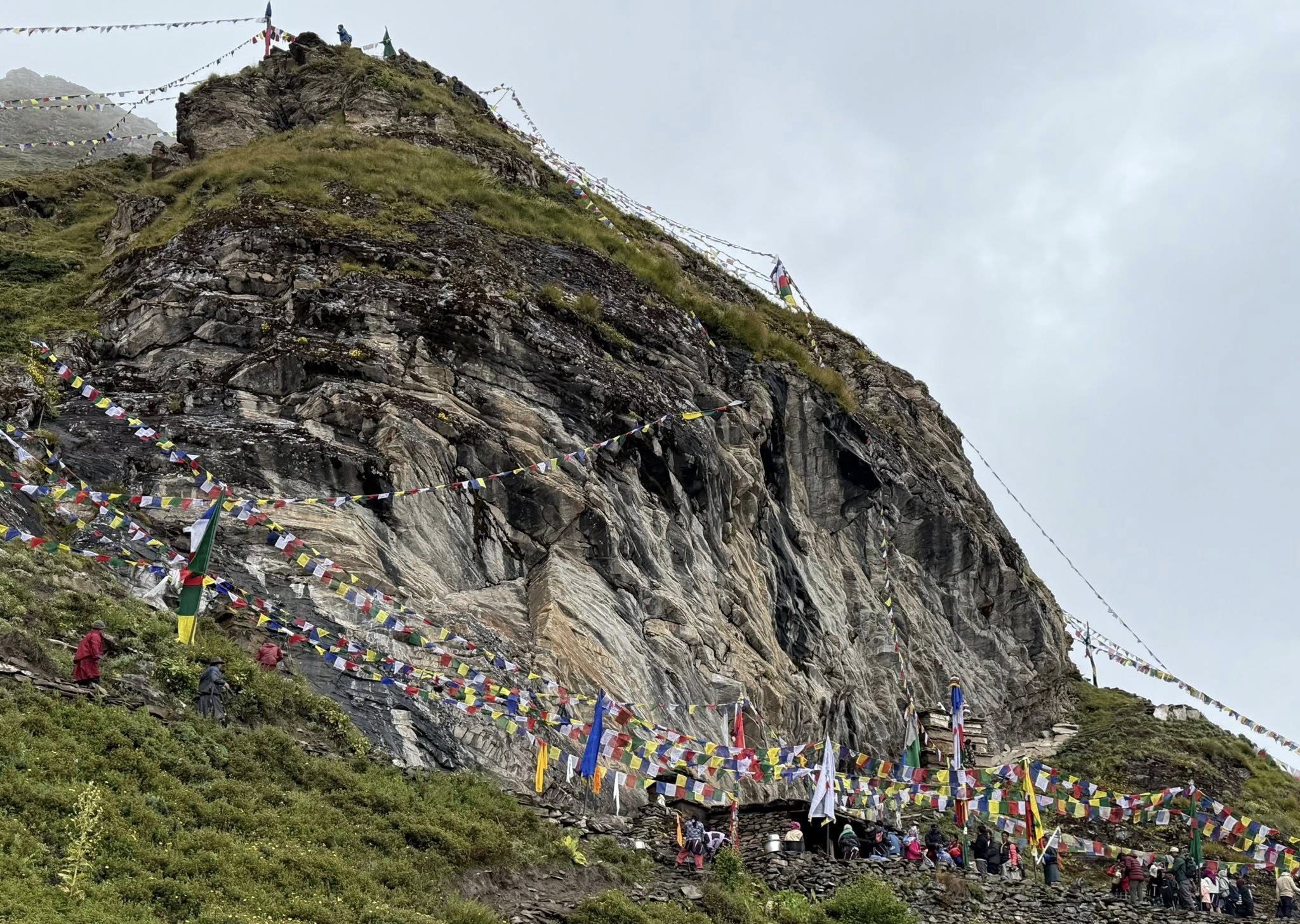
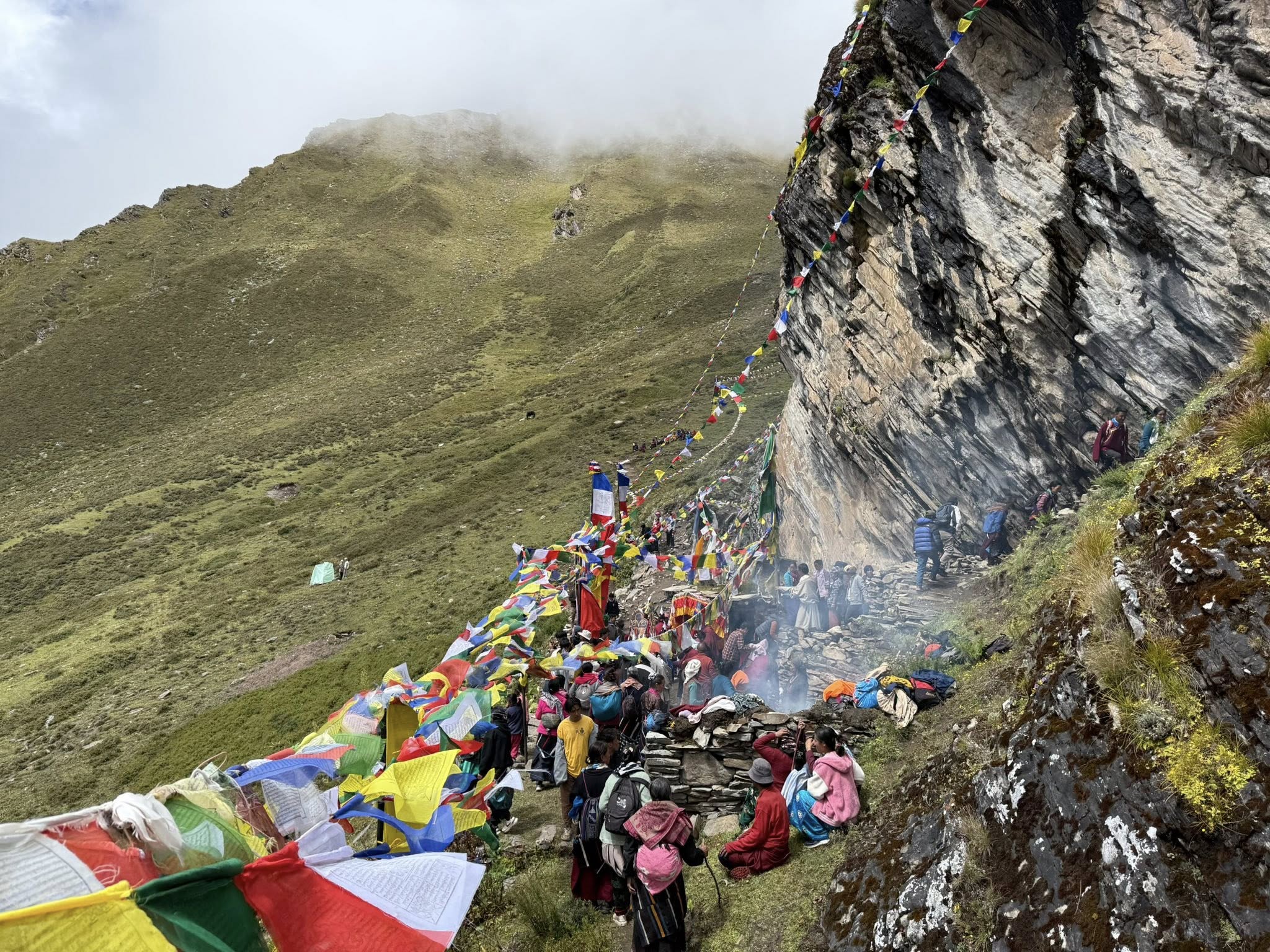
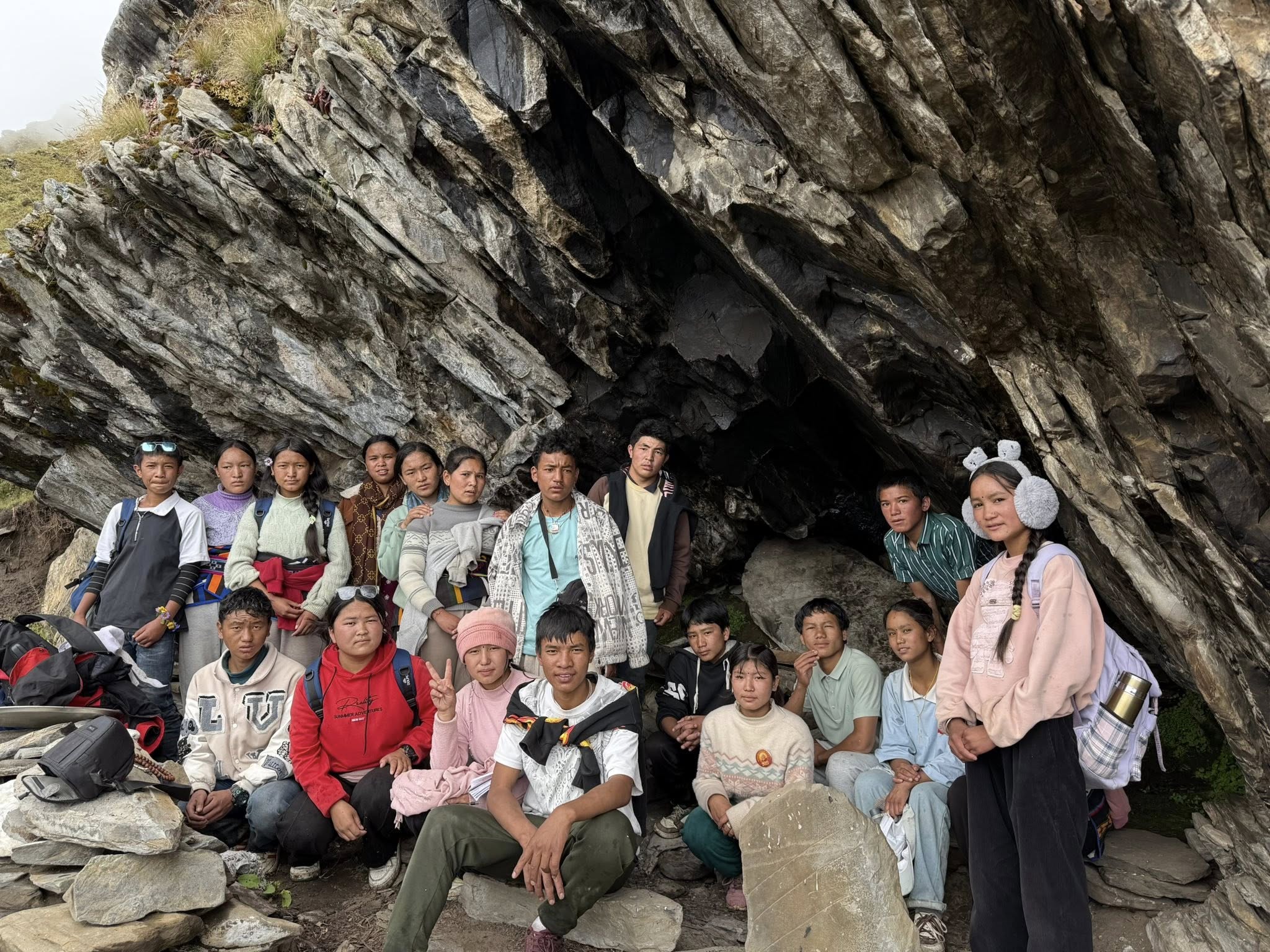
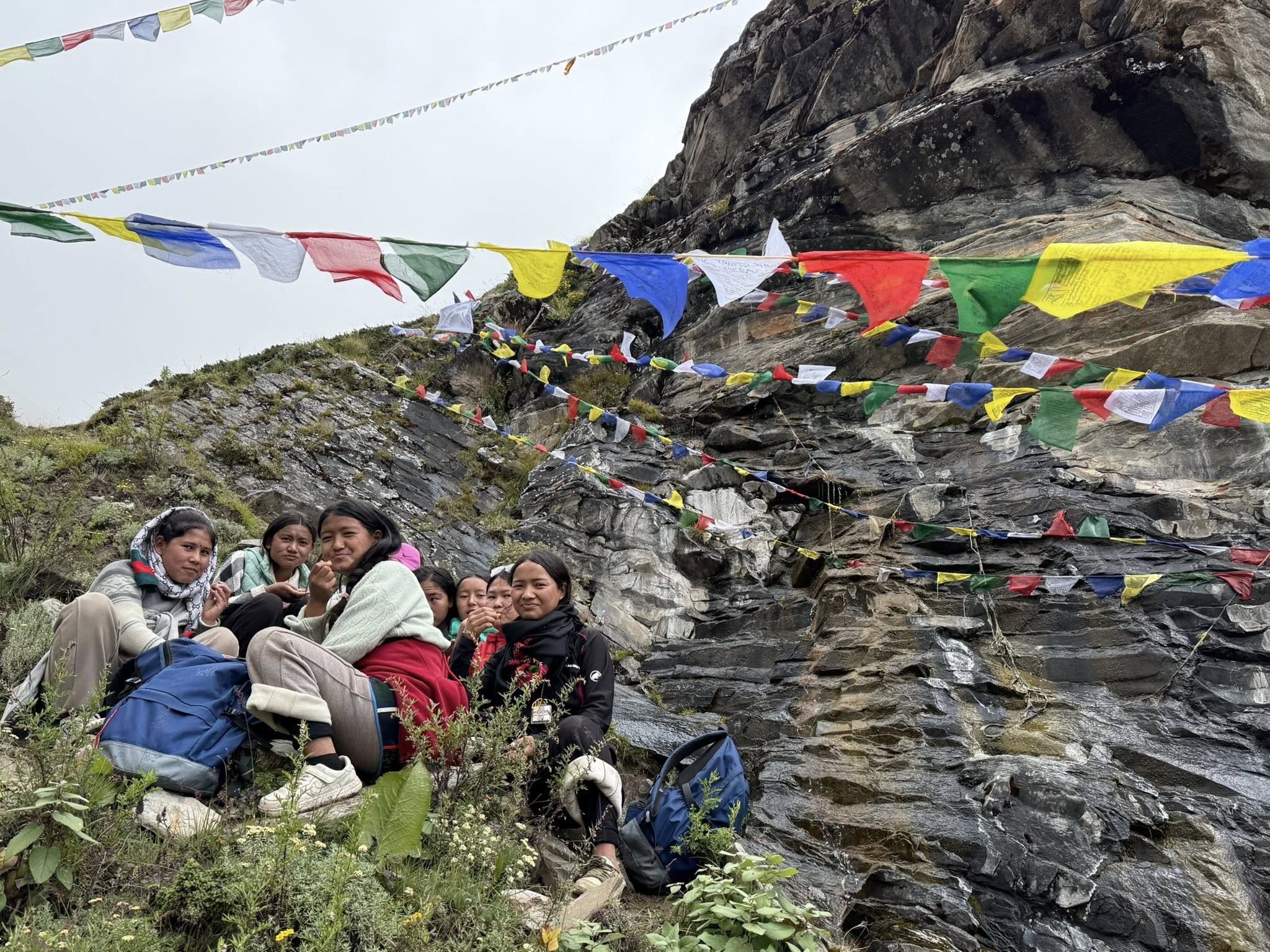
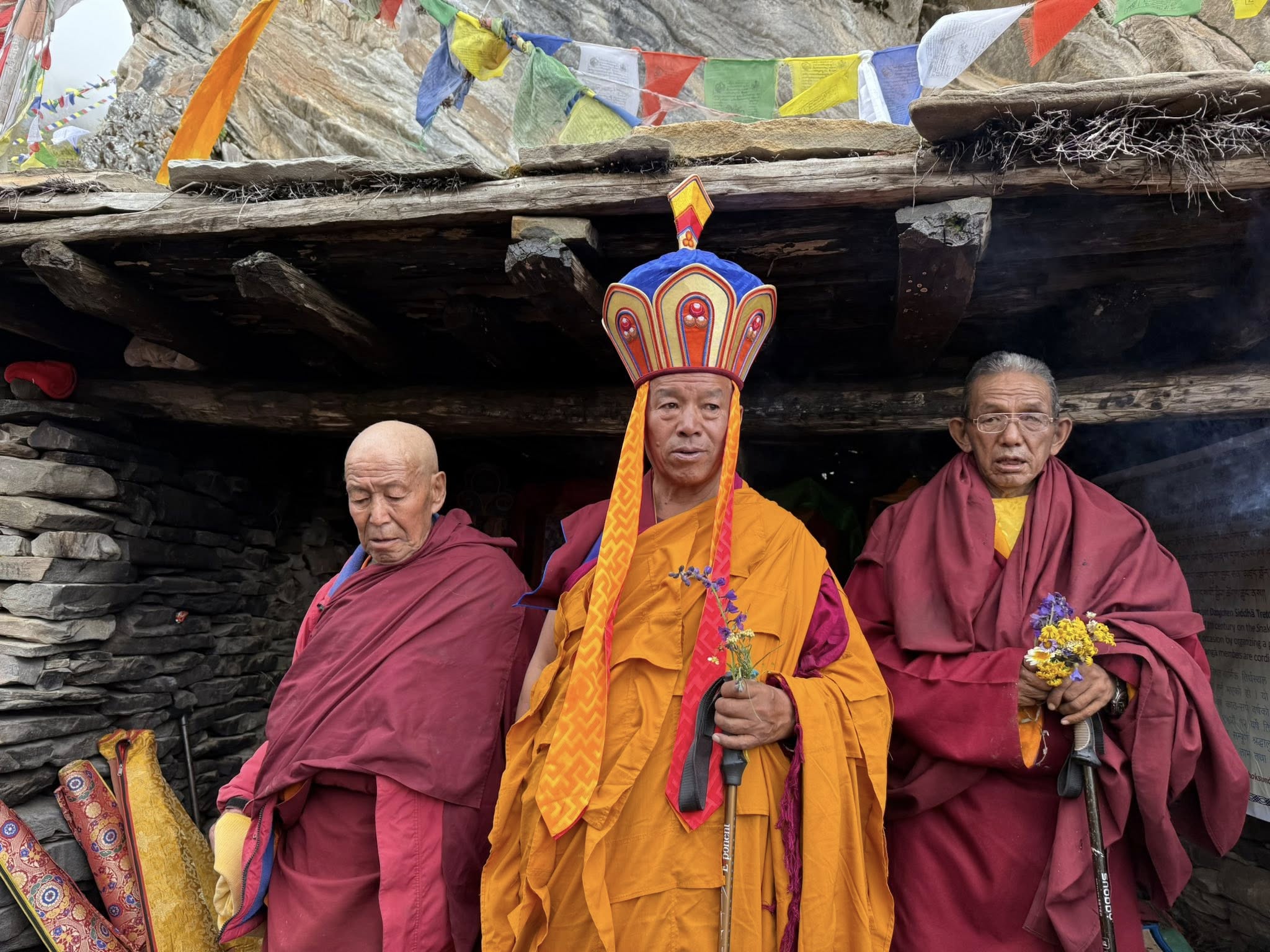
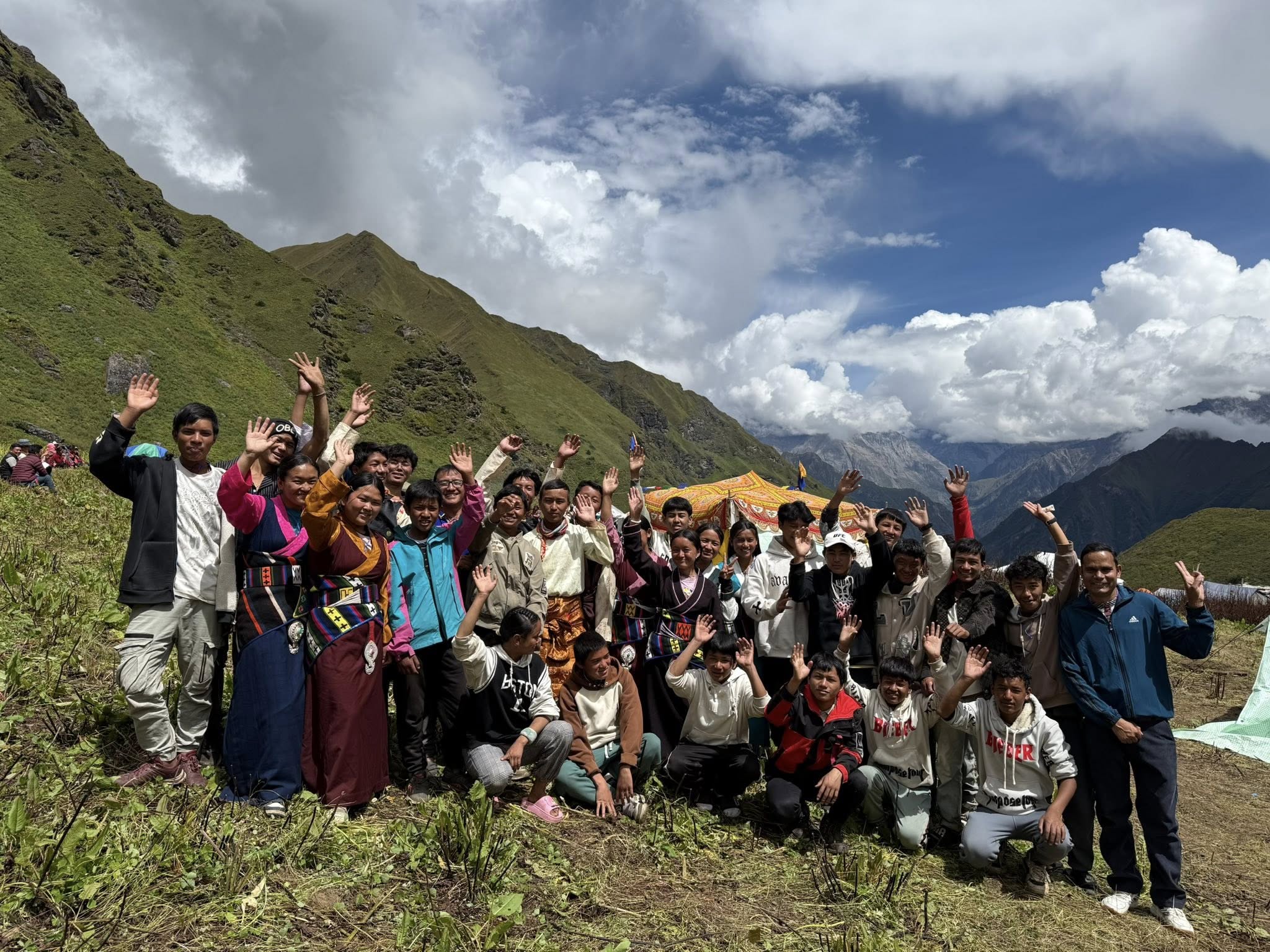
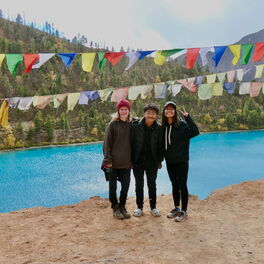
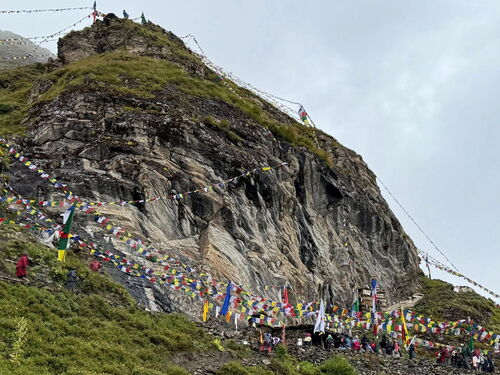
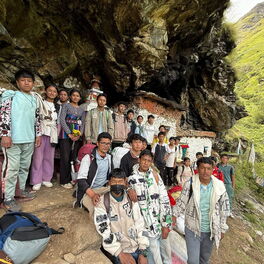
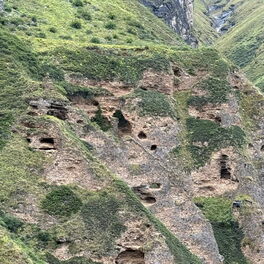
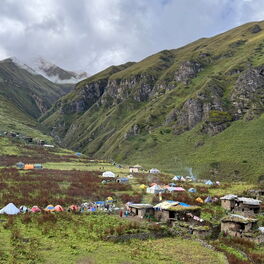
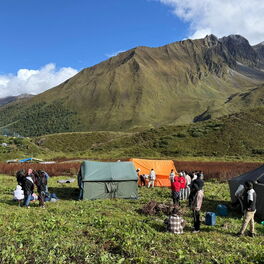
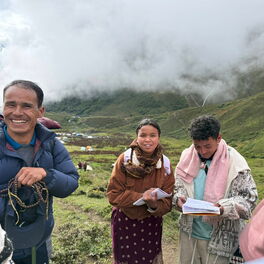
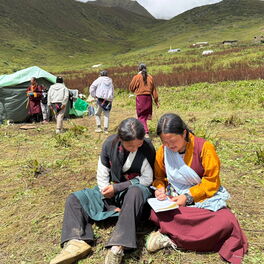
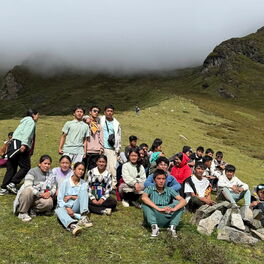
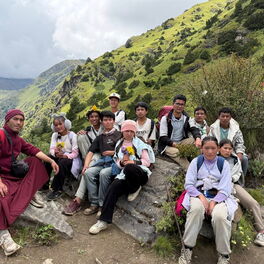
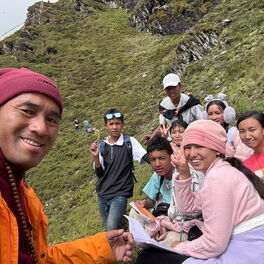
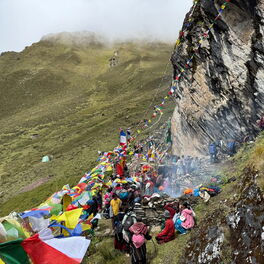
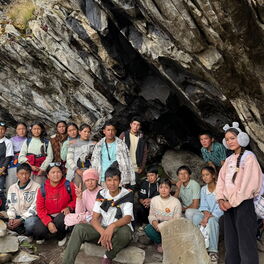
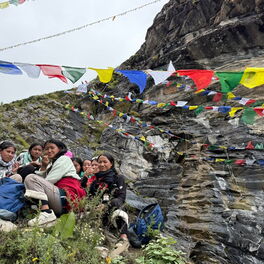
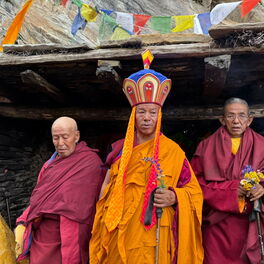
The hermitage of Lama Chumik is located in the center of the pilgrimage route of the same name, about a day's march from the village of Pugmo. The hermitage is part of the inner circumambulation, the Kora around the rock with the sacred spring. Surrounded by holy footprints and body prints of former masters, the hermitage today serves as a place of meditation. Once a year, the entire village community makes a pilgrimage here to honor the traces of the masters and the animate landscape. Every twelve years—in the Tibetan Year of the Snake—is a particularly auspicious time for the pilgrimage, as it was in 2024. After the hermitage had long been in ruins, we supported its reconstruction with a one-time contribution.
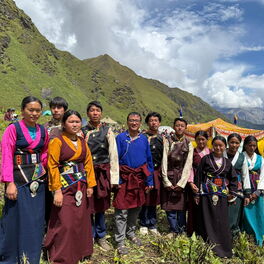
Lama Chumik pilgrimage - auspicious year 2024 - pics Dawa Dhondup
-
-
-
-
-
-
-
-
-
-
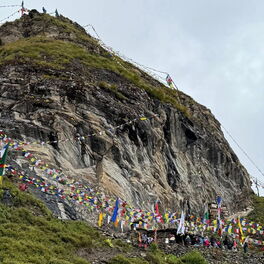
Heart of the Lama Chumig pilgrimage with the holy spring and the hermitage © Dawa Dhondup -
-
-
-
-
-